How Long Will Polyjacking Last?

December 15, 2025

How Long Will Polyjacking Last? 

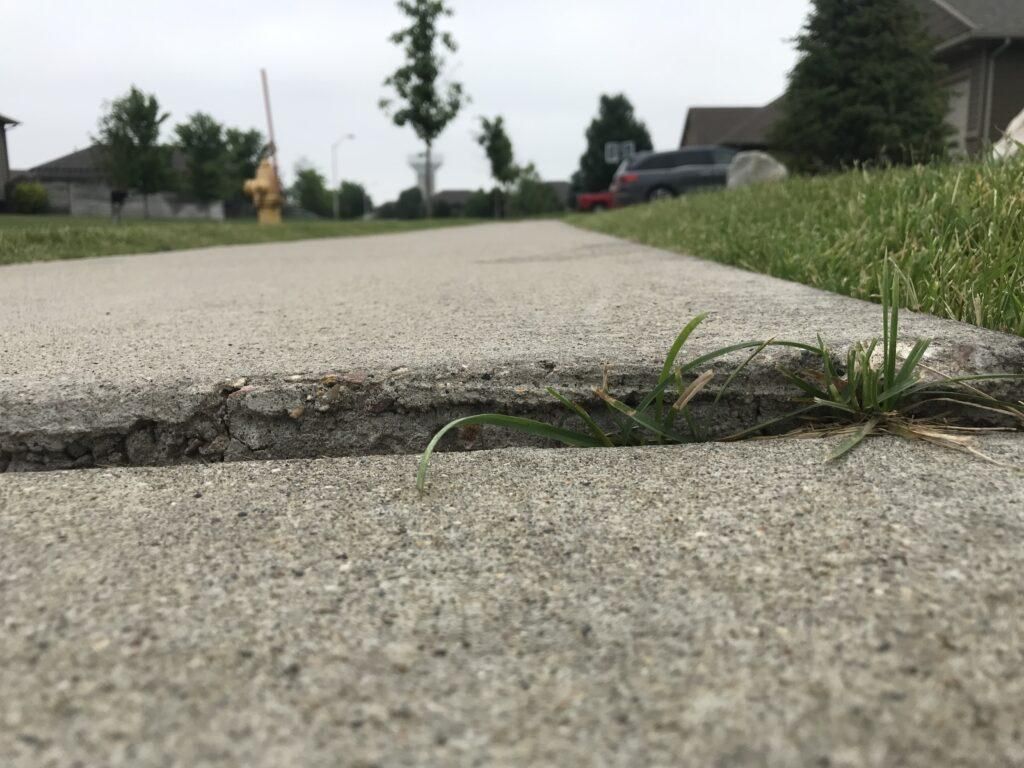
Homeowners in Mid-Missouri around Columbia or Jefferson City know the struggle of shifting soil. It's the midwestern curse! One season your walkway is flat, and after a wet spring or freezing winter, you are suddenly tripping over an uneven slab. If you are considering polyjacking to fix your sunken concrete, you likely have one pressing question: Is this a permanent fix, or will I be dealing with this same problem again in a few years?


At PolyMagic, we believe in honest answers and long-term solutions. We don't want you to pay for a repair if polyjacking won't help your situation. The short answer is that the poly foam material we use is designed to last indefinitely—often outliving the concrete slab itself. However, the soil is the culprit that can impact things. 


Whether you have a sinking driveway in the suburbs or an uneven patio at the Lake of the Ozarks, let’s dive into the science of concrete lifting and why this modern solution is the smartest investment for your property.


The Lifespan of Polyurethane Foam


To understand how long the repair lasts, you have to look at the material being used. More durable than mudjacking, polyjacking utilizes a high-density, two-part polyurethane foam.

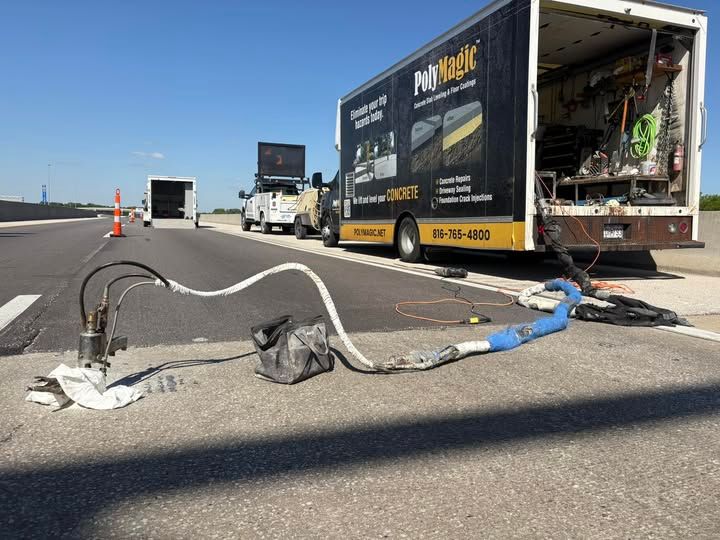
When injected beneath your sidewalk lifting or driveway lifting project, this foam expands to fill voids and compresses loose soil. Once it cures (which takes only minutes), it becomes a rigid, inert material.


Here is why the foam itself lasts practically forever:

  • It Does Not Decompose: Unlike organic materials or cement slurries that can break down over time, polyurethane is synthetic and rot-proof.
  • It is Hydro-Insensitive: This is crucial for Mid-Missouri weather. The foam will not absorb moisture, meaning it won’t shrink, wash away, or degrade when the snow melts or heavy rains hit the region.
  • High Compressive Strength: The foam we use is engineered to support heavy loads, making it perfect for slab leveling on driveways and garage floors.
The Verdict: The material used in polyjacking will not deteriorate in your lifetime. As long as the soil under the foam remains stable, your concrete stays lifted.

Polyjacking vs. Mudjacking: The Battle for Longevity


Many of our customers in Mid-MO ask us about the difference between polyjacking and traditional mudjacking. While both are methods of concrete leveling, their lifespans are drastically different.


Mudjacking pumps a mixture of sand, water, and cement (slurry) under the slab.

  • The flaw: It is heavy (adding more weight to already sinking soil) and it is susceptible to erosion. If water caused your concrete to sink in the first place, that same water will eventually wash the "mud" away.

Polyjacking uses lightweight concrete foam.

  • The advantage: It is incredibly light (reducing burden on the soil) and creates a waterproof barrier. It stabilizes the soil rather than just sitting on top of it.

For concrete repairs in Missouri, where we have drastic freeze-thaw cycles, polyjacking is statistically proven to last significantly longer than mudjacking.


Factors That Could Affect Your Lift


While the foam itself is permanent, the earth beneath our feet is always moving. We want to be transparent about the factors that ensure your slab lifting remains successful for decades.


1. Water Drainage (The Hill Effect)


In the hilly terrain around the Lake of the Ozarks and parts of Jefferson City, water runoff can be aggressive. Water is the enemy of concrete. Polyjacking fixes the void, but if your downspouts are dumping water right next to the driveway, the soil below the foam could eventually erode.

  • Our Advice: Ensure your gutters direct water at least 5-10 feet away from your foundation and concrete slabs.


2. Missouri Clay Soil


Our region is famous for expansive clay soil. It swells when wet and shrinks when dry. While poly foam is flexible enough to handle minor movements, extreme soil shifts can occasionally require a touch-up.


3. Rodent Activity


Chipmunks and moles love the soft soil under sidewalks. However, because our foam fills the existing voids so densely, it actually acts as a deterrent, making it much harder for pests to tunnel back under that specific area.

Where Can Polyjacking Be Used?


Durability isn't limited to just sidewalks. This method provides a long-lasting solution for various concrete upgrades around your property, specifically for the Mid-Missouri lifestyle:

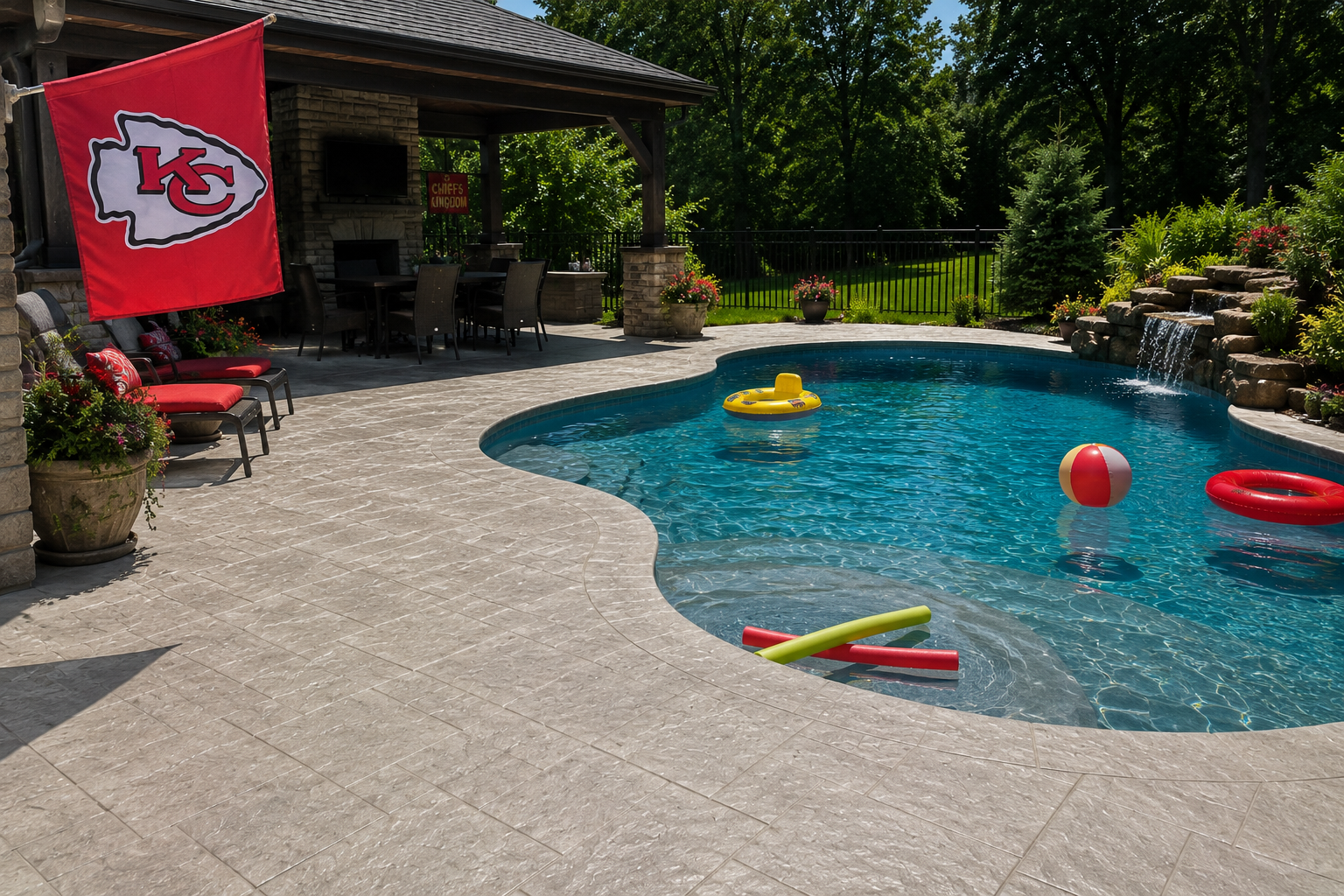
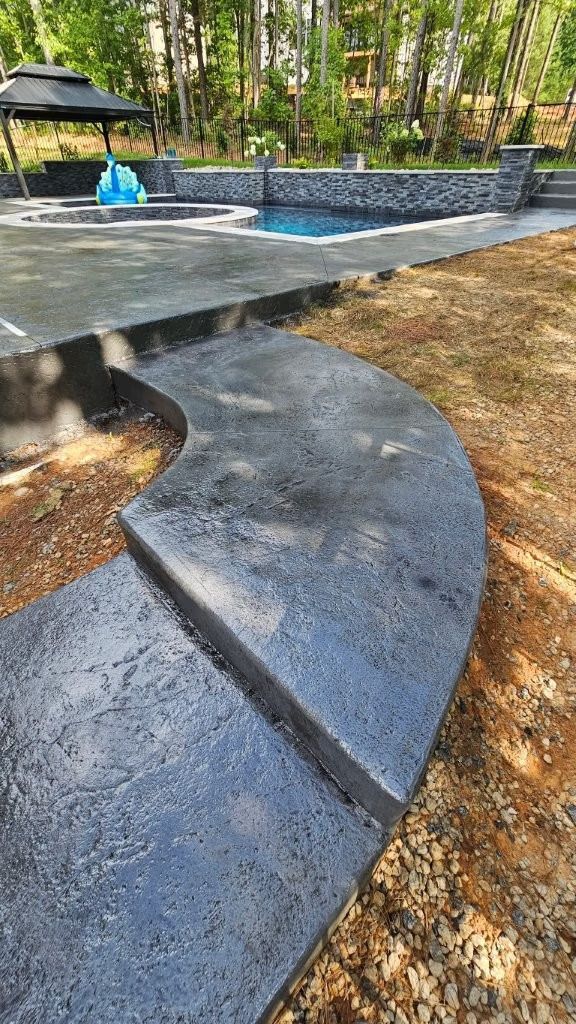
  • Pool Decks: Eliminate trip hazards around your pool at the Lake without damaging the landscaping.
  • Patios & Porches: Re-level settling entertainment areas for summer BBQs.
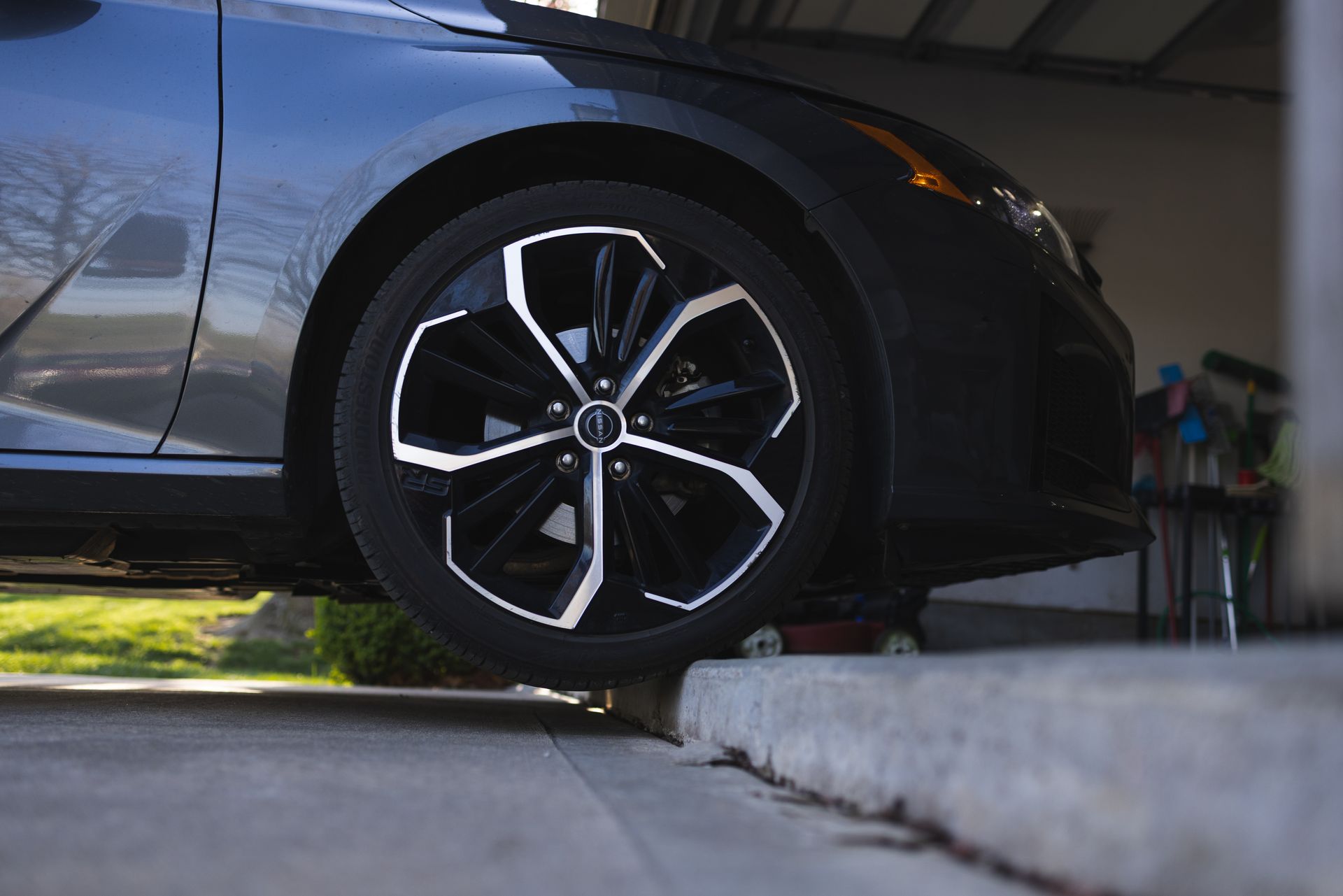
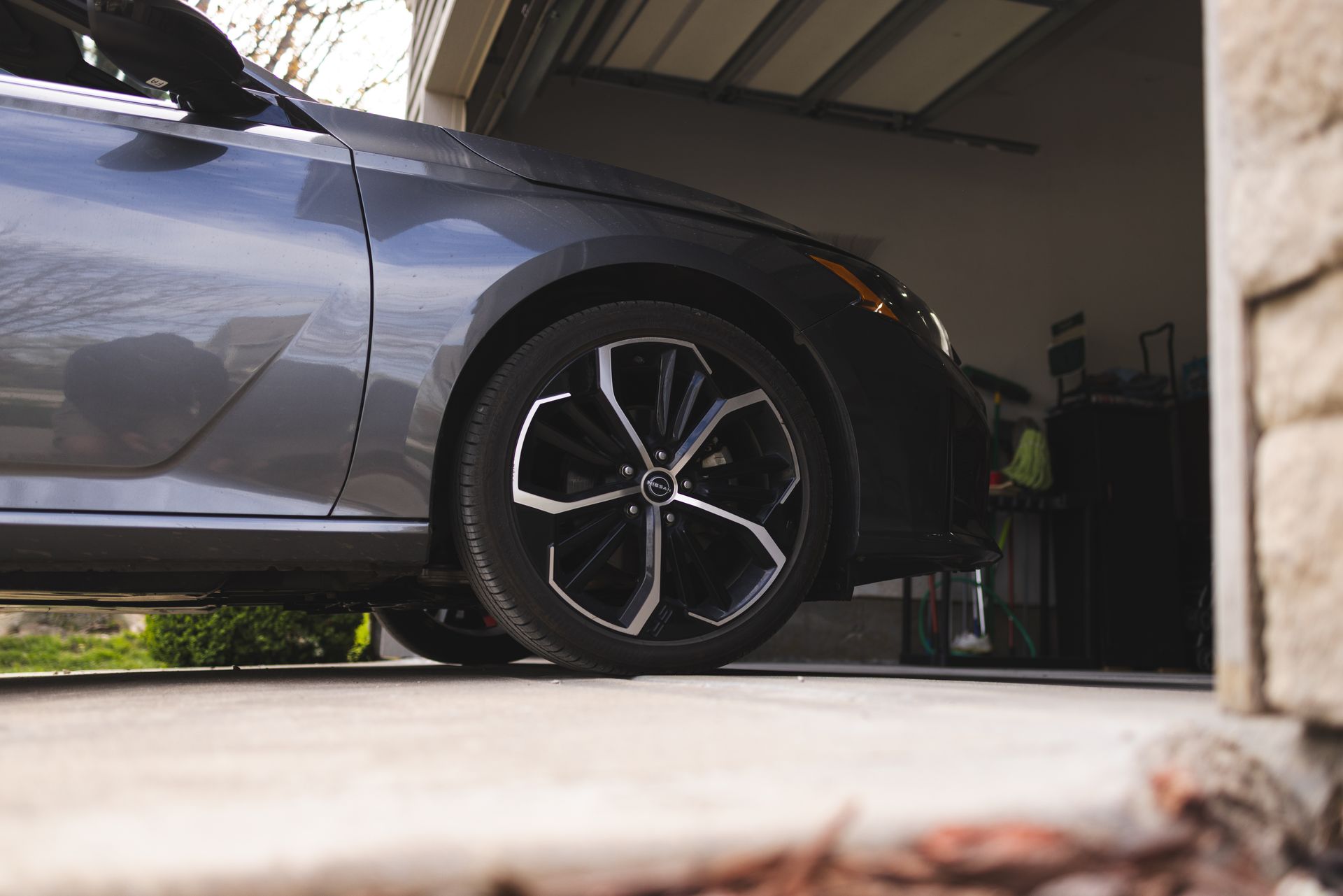
  • Driveway Lifting: Eliminate the "bump" where the driveway meets the garage.
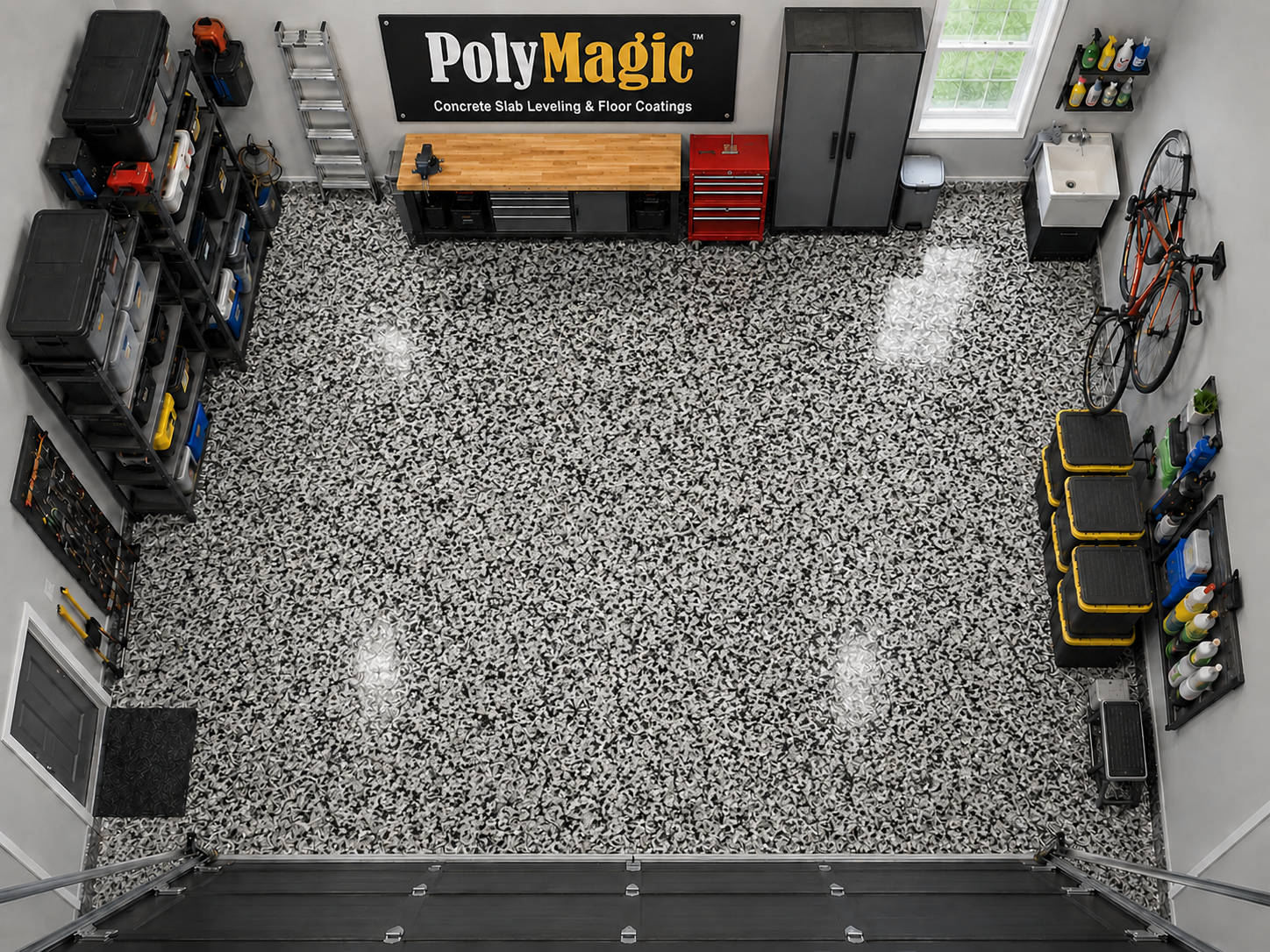
  • Garage Floors: Stabilize rocking or cracking slabs to protect your vehicles and boats.


Why Mid-Missouri Chooses PolyMagic


We are locally owned, which means we understand the specific soil conditions of the region, from the clay in Columbia to the rocky terrain of the Ozarks. We aren't a national franchise using a "one size fits all" approach.


When you hire PolyMagic, you get:

  • Experienced Technicians: We know exactly where to inject the foam to maximize lift and stability.
  • Honesty: If a slab is too broken for concrete lifting and truly needs replacement, we will tell you. We won't oversell a service that won't work.
  • Warranty: We stand behind our work. Because we use superior materials, we offer a warranty that gives you peace of mind.


Frequently Asked Questions (FAQ)


Is polyjacking a permanent solution?
Yes, the polyurethane foam material is permanent and will not degrade. In most cases, the repair lasts for the remaining life of the concrete. The only variable is the stability of the deep soil beneath the repair.


How long does the foam take to dry?
This is one of the biggest benefits of concrete foam. It cures within 15 to 30 minutes. You can walk on your sidewalk or drive your car onto your driveway almost immediately after our crew leaves.


Is polyjacking safe for the environment near the Lake?

This question is especially important if you're on the Lake. Yes. The foam we use is environmentally inert. It does not leach chemicals into the soil or groundwater, making it safe for use near the lake, lawns, and gardens.


Is concrete lifting cheaper than replacement?
Absolutely. Concrete leveling typically costs 50% to 70% less than tearing out and pouring new concrete. Plus, there is no damage to your landscaping and no week-long wait for concrete to cure.


Can you do polyjacking in winter?
Yes! Because we don't rely on water (like concrete pouring or mudjacking), we can perform concrete repairs year-round in Mid-Missouri, provided the ground isn't frozen too deep to access the slab.


Homeowners can see the superior difference in polyjacking compared to mudjacking. The actual product used for polyjacking itself is extremely resilient. 


  • Indefinite Material Life: The high-density polyurethane foam used in polyjacking will not rot, wash away, or degrade.
  • Superior to Mudjacking: Polyjacking is lightweight and waterproof, making it a much longer-lasting solution than heavy cement slurries.
  • Immediate Use: The repair cures in minutes, returning your home to normal instantly.
  • Drainage Matters: To ensure the lift lasts forever, manage your rainwater runoff—especially on hilly properties.
  • Cost-Effective: It is significantly cheaper and less invasive than concrete replacement.


Don't let a sinking driveway or an uneven sidewalk lower your home’s value or cause a trip hazard. Choose the solution that lasts. PolyMagic provides the most reliable concrete lifting services in Columbia, Jefferson City, and the Lake of the Ozarks. We offer free estimates and honest advice on how to get your concrete back on the level.


Get a free quote today from Mid-Missouri’s Concrete Experts.

Schedule Your Appointment – Contact PolyMagic


December 15, 2025
How Long Will My Driveway Polyjacking Last?
December 11, 2025
Will Oil Stain My Epoxy Garage Floors? The Scientific Truth About Your Garage Floor
December 10, 2025
Can an Epoxy Garage Floor Withstand Oil Stains? The Truth About Epoxy Floor Durability
December 9, 2025
Sinking Driveway in Mid-Missouri: Should You Repair or Replace Your Concrete?
December 3, 2025
Epoxy: Not Just for Crafting — Why It's the Real MVP of Floor Coatings
December 3, 2025
Winter Weather Warnings: How Cold Temps Can Damage Your Concrete (And What You Can Do About It)
December 3, 2025
Stamped Concrete Solutions: Protect and Restore with Duravel Coatings and Concrete Overlays
December 3, 2025
Long-Term Benefits of Protective Coatings on Concrete Floors with Epoxy
December 3, 2025
Transform Your Concrete Floors with PolyMagic’s Professional Epoxy Coating Services
December 3, 2025
American-Made Epoxy vs. Cheap Imports: Why Quality Matters for Your Concrete Floor
Show More