There is nothing quite as frustrating as pulling your car out of the garage and seeing a fresh, dark puddle of oil. On regular garage concrete, the oil spot will become a permanent stain, which makes it even more difficult for homeowners across
Kansas City to maintain a clean garage. The struggle is real with a constant battle against vehicle leaks, lawnmower spills, and winter sludge.
If you are considering a garage floor upgrade, you are likely asking one big question: Can an epoxy floor actually withstand oil stains, or will it just discolor like the existing concrete?
The short answer is yes—a high-quality coating creates a non-porous barrier that repels oil. However, not all coatings are created equally. As a locally owned business specializing in
Kansas City
floor coatings,
PolyMagic
is here to give a little science lesson behind stain resistance and why a professional coating is the ultimate shield for your concrete.
The Science of Stains: Porous Concrete vs. Sealed Surfaces
To understand why concrete coatings are necessary, you have to understand the nature of concrete itself. First off, let's define porous: a surface that has tiny holes or pores that allow fluids (like water, air, or light) to pass through, making something permeable, absorbent, or easily penetrated
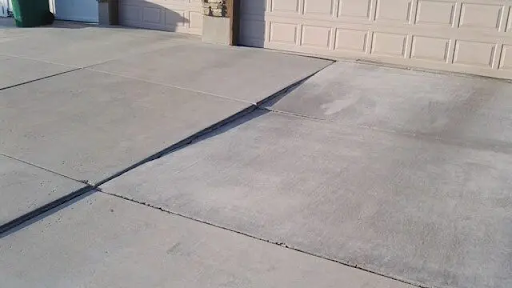
Raw concrete acts like a dense sponge. It is full of microscopic capillaries and pores. When hot motor oil drips onto a bare garage floor, the liquid reduces its viscosity (becomes thinner) and seeps deep into those pores. Once the oil penetrates the surface, it is nearly impossible to remove completely. It creates an unsightly stain and can even compromise the integrity of the concrete over time.
How an Epoxy Garage Floor Changes the Game
Not all garage floor companies offer professional-grade systems. When
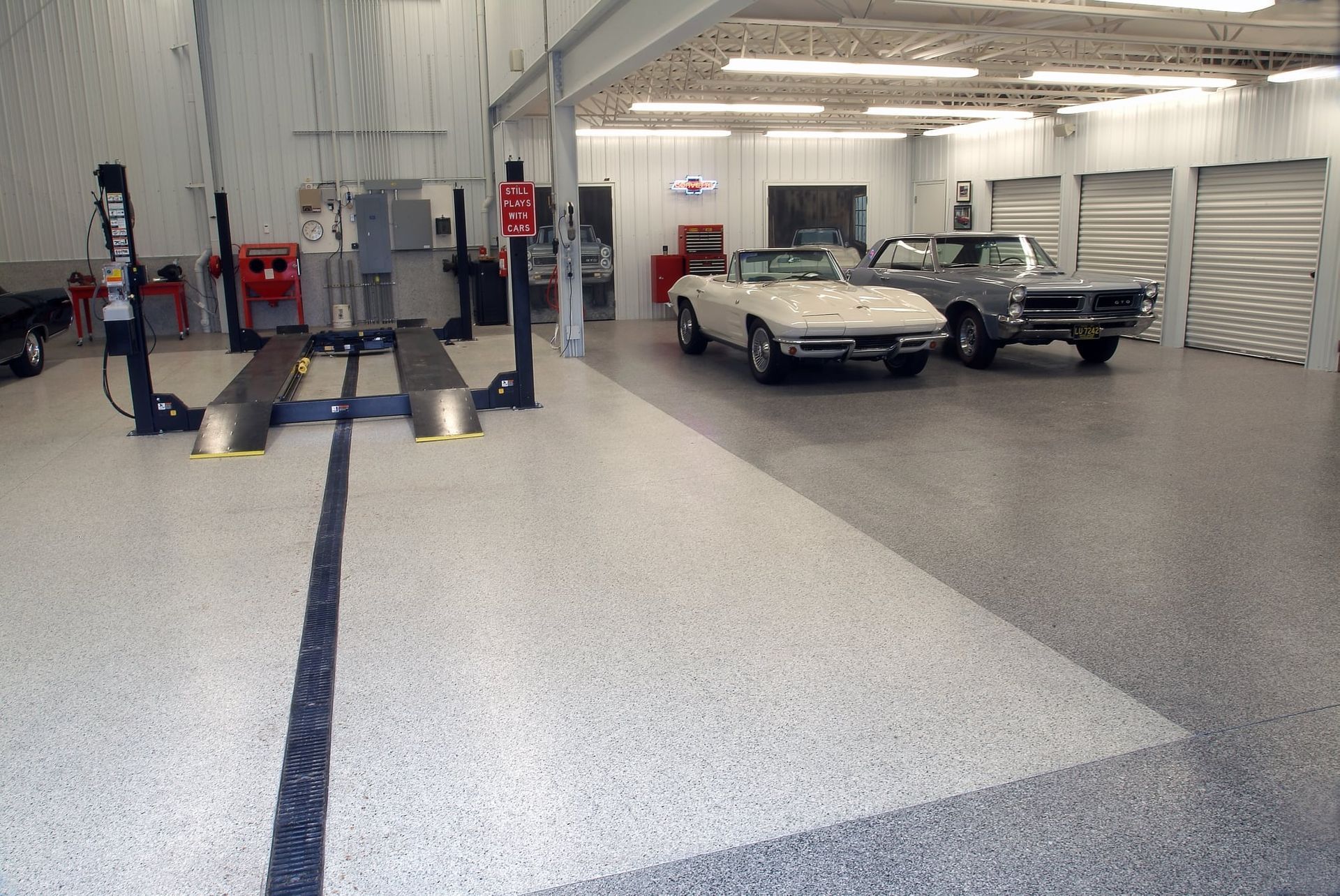
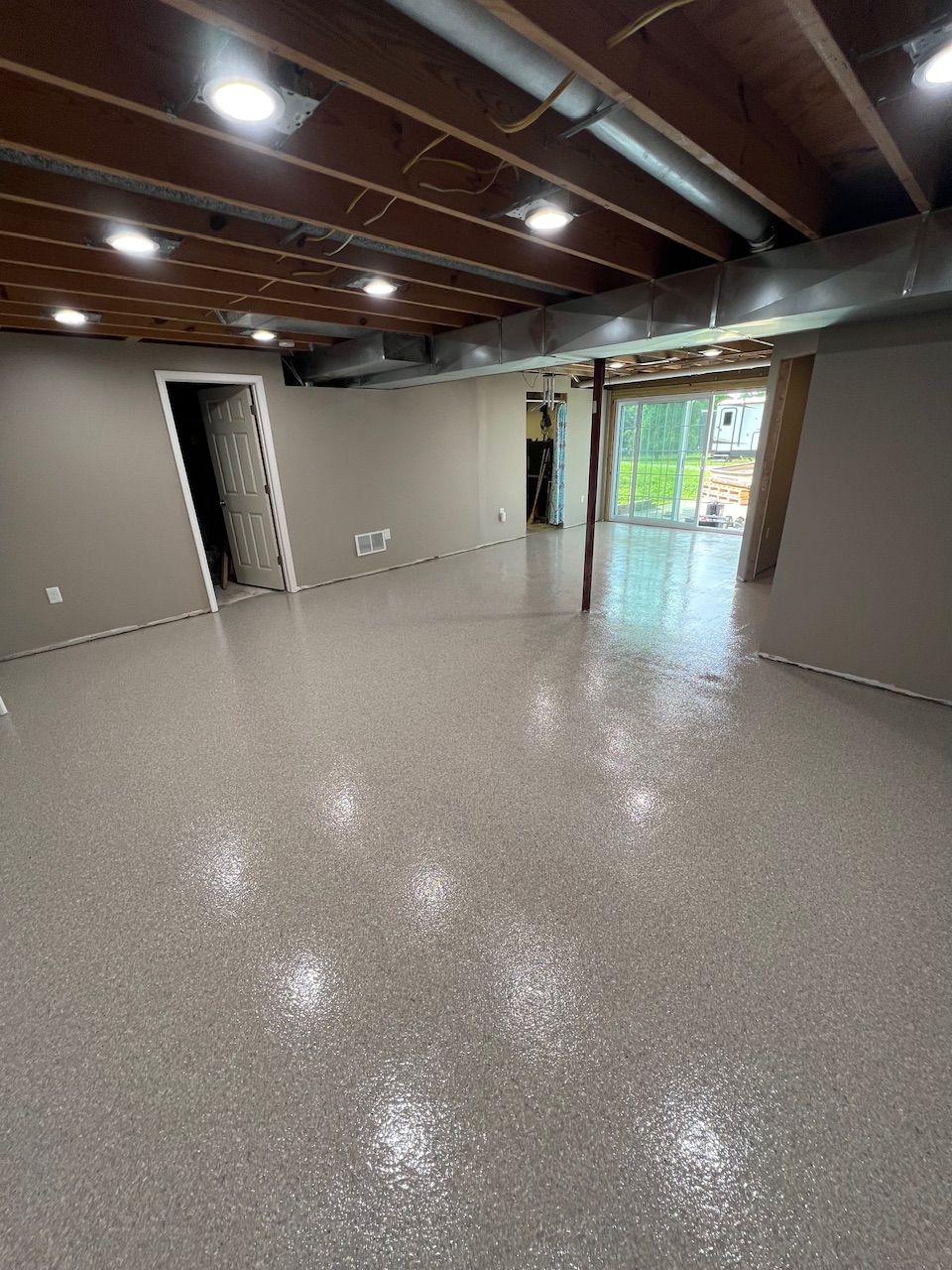
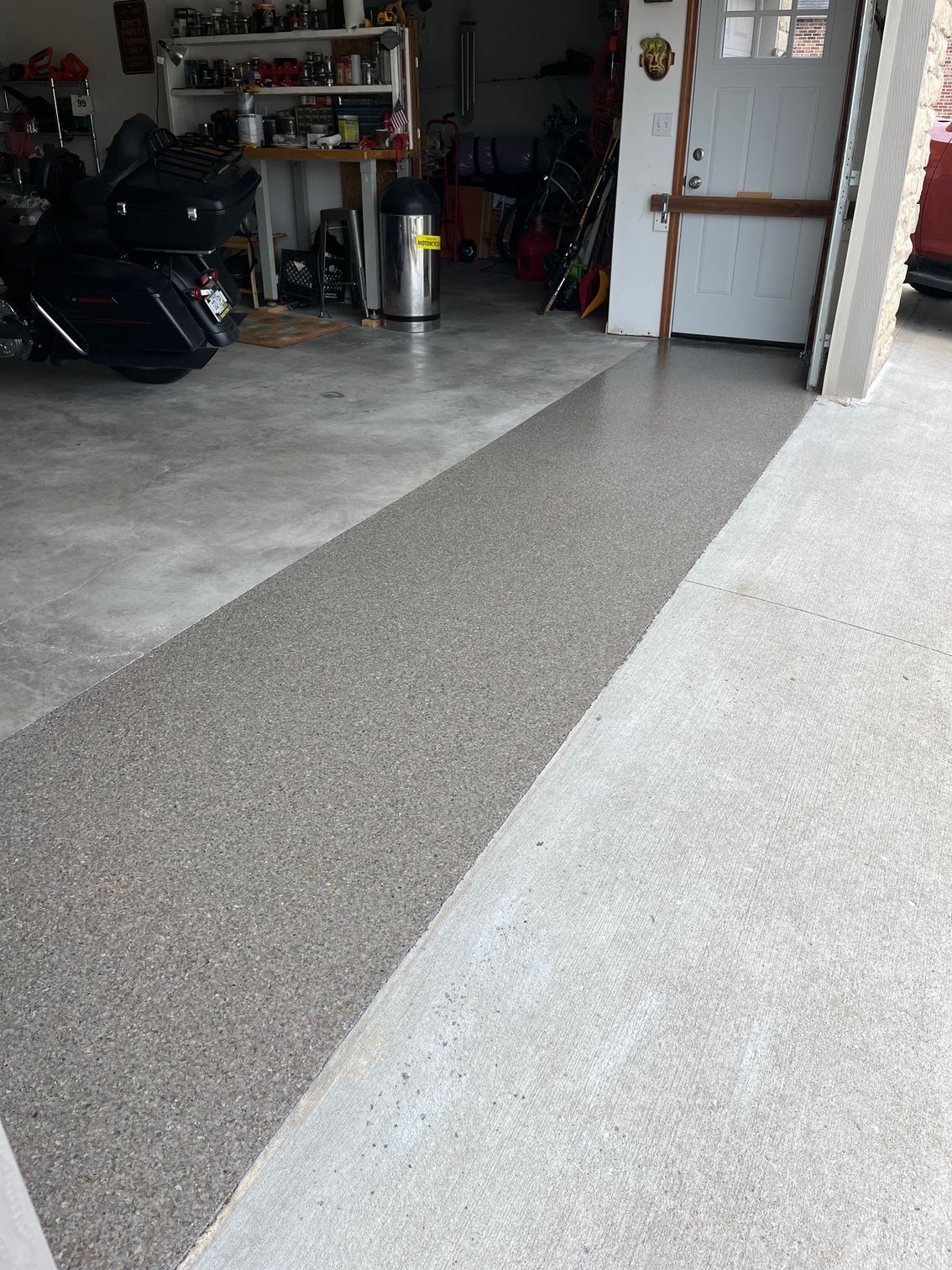
PolyMagic installs a professional-grade epoxy garage floor (or our advanced polyaspartic systems), we cap those pores with a solid, impermeable sheet of polymer.
Here is why the oil won't stick:
- Chemical Resistance: Professional coatings are chemically engineered to resist "wetting." The oil sits on top of the surface rather than soaking in.
- Surface Tension: The coating creates high surface tension, causing liquids to bead up—similar to water on a waxed car hood.
- Seamless Protection: Unlike tile or stone which has grout lines where oil can hide, a poured floor coating is seamless from wall to wall.
Pro Tip: While these floors are incredibly durable, they aren't "magic" self-cleaning surfaces. The oil will sit there until you wipe it up, but it won't stain the material underneath.
Durability Test: Oil, Gas, and Chemicals
Homeowners in
Overland Park and
Leawood often ask us if these floors are tough enough for "working or toy garages." If you work on cars, house boats/toys or store heavy equipment, you need more than just aesthetic appeal.
A professional-grade system offers resistance against:
- Motor Oil: Can sit on the surface for days without staining.
- Brake Fluid: Highly corrosive to paint, but quality industrial coatings resist it.
- Road Salts: Vital for Kansas City epoxy floors given our harsh winters.
- Gasoline: Occasional spills from the lawnmower won't peel the floor.
A Note on DIY Kits vs. Professional Installation
This is where the DIY vs Professional distinction is vital. A $100 DIY epoxy kit from a big-box store typically contains water-based epoxy with low solids content. If hot oil hits a cheap DIY floor, it can cause "hot tire pickup" (where the tire peels the paint) or yellowing from chemical exposure.
At
PolyMagic, we won't oversell you on a product that doesn't work. We use industrial-grade polymers that bond mechanically to the concrete, ensuring that oil spills don't lead to peeling floors.
Cleaning Oil Off Your Coated Floor
One of the biggest benefits of a garage floor upgrade is the ease of maintenance. If you spot an oil leak on your PolyMagic floor, the cleanup process is as easy as 1,2,3:
- Soak it up: Use a paper towel or shop rag to absorb the standing liquid.
- Spray it down: Use a mild, non-filming cleaner (like Simple Green or diluted Windex).
- Wipe clean: Wipe the area dry.
There is no scrubbing, no pressure washing, and no harsh degreasers required. The floor looks brand new immediately after wiping. Talk about impressive!
Why Kansas City Garages Need Extra Protection
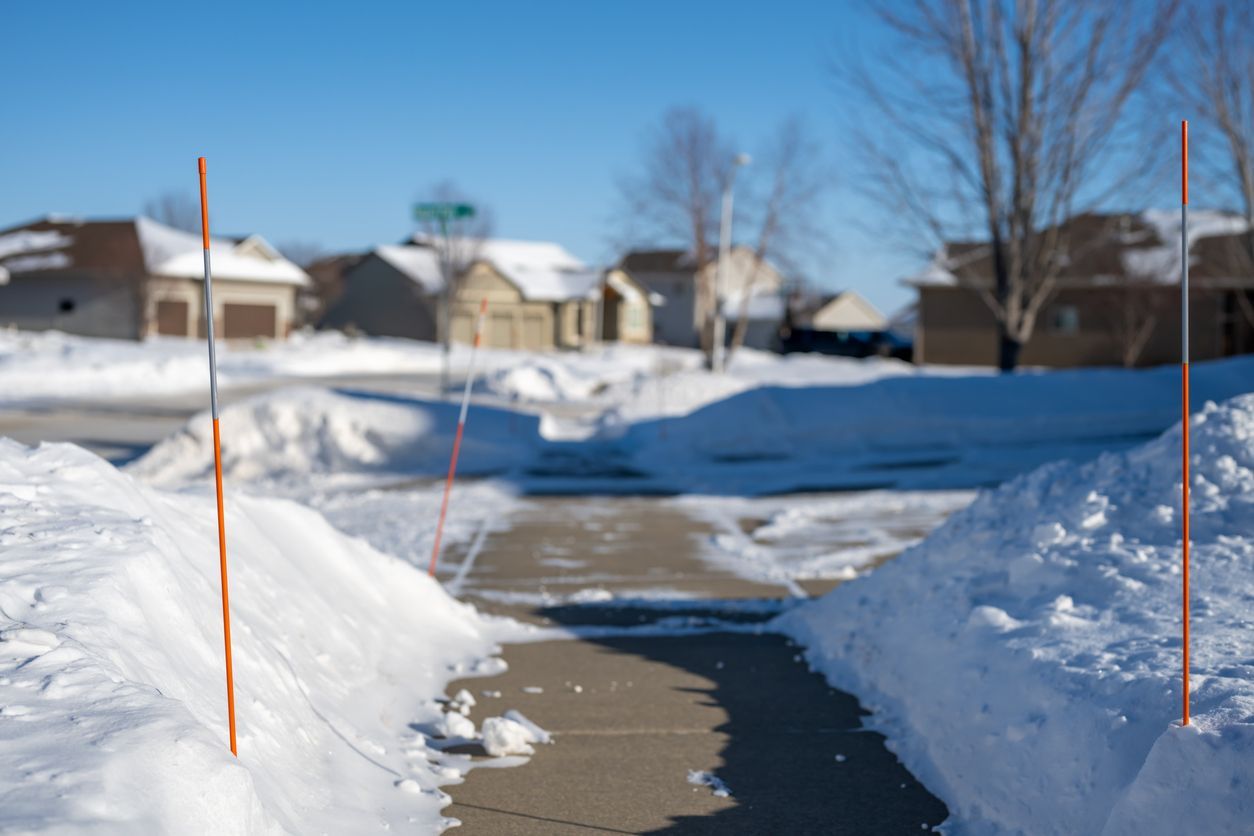
Living in the Midwest presents unique challenges for concrete. It isn't just the oil from your engine; it's the "sludge cocktail" your car brings home throughout the Midwest winters.
In areas like
Lee’s Summit and
Blue Springs, winter road crews use magnesium chloride and rock salt to melt ice. When this mixes with leaking oil and dripping snow in your garage, it creates a brine that eats away at raw concrete (spalling) and leaves rusty, oily stains.
Kansas City garage floors protected by
PolyMagic are immune to this salt-oil mixture. The coating prevents the brine from reaching the concrete slab, stopping the freeze-thaw damage that cracks driveway and garage floors across the metro.
PolyMagic
is locally owned, which means we understand the specific soil and weather conditions of our region.
Frequently Asked Questions (FAQs)
Will oil make my epoxy garage floor slippery?
Any liquid on a smooth surface can create a slip hazard. However, at PolyMagic, we incorporate anti-slip additives (texture) into the topcoat of our floors. This provides traction even when the floor is wet or oily, making it safer than smooth, polished concrete.
Can you coat a floor that already has oil stains?
Yes! This is a critical part of our preparation. We don't just paint over the dirt. We use diamond grinders to mechanically remove the top layer of concrete, effectively erasing old oil stains and opening the pores of the concrete so the base coat can penetrate and bond permanently.
How long does an epoxy floor last in a residential garage?
With proper preparation and professional installation, a high-quality garage floor coating can last 15 to 20 years or more. We stand by our work with a warranty because we are confident in our adhesion process.
Is PolyMagic an epoxy or polyurea company?
While many people search for "epoxy," technology has advanced. We utilize polyaspartic/polyurea systems for many of our top coats because they are more durable, UV stable (won't yellow in the sun), and cure faster than traditional epoxy. We choose the best chemical composition for your specific needs.
It's never too late to continue learning. We hope you had several takeaways from this article, especially if you're considering an epoxy garage floor.
- Impermeable Barrier: High-quality floor coatings create a non-porous shield that prevents oil from penetrating the concrete.
- Easy Cleanup: Oil spills bead up on the surface and can be wiped away with a paper towel and mild cleaner.
- Protection Beyond Oil: These floors also resist road salt, gasoline, and brake fluid—essential for Kansas City winters.
- Preparation is Key: Professional installation involves grinding the concrete to remove old stains and ensure a bond that won't peel.
- Local Trust: PolyMagic is locally owned and offers transparent advice without the high-pressure sales tactics.
Ready to Ditch the Stains?
Don't let oil leaks ruin the look of your home. Give your garage the showroom finish it deserves with a durability that lasts. Whether you are in
Olathe,
Liberty, or right here in
KCMO, we are ready to help.
Get a free quote today and see why we are the leaders in Kansas City Concrete Experts.
Schedule Your Appointment – Contact PolyMagic