A raised sidewalk edge or sinking driveway slab might seem like something you can live with. The more useful question is whether that movement is affecting how you use your property.
Does water collect near the garage after rain? Has the step between two sidewalk panels become difficult to navigate? Does a patio slab slope toward the house?
These details help determine whether the concrete needs repair, what caused it to move, and whether lifting it is a practical option.
Trip hazards and difficult access
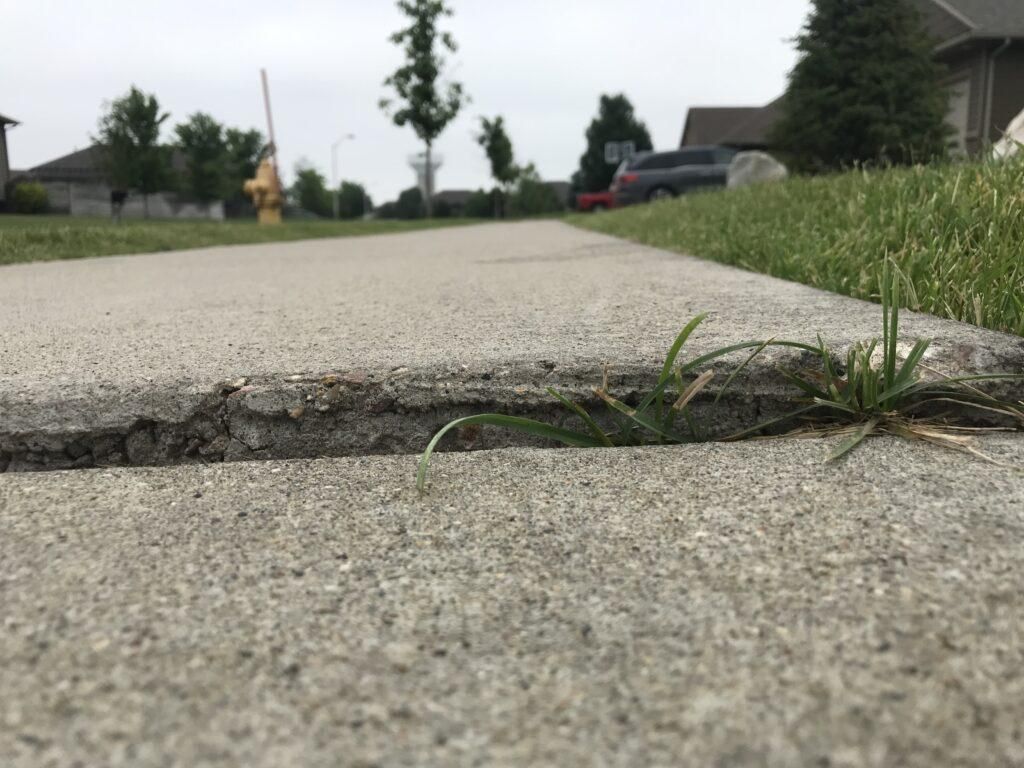
Uneven joints can interrupt a walking surface, particularly along sidewalks, front steps, and routes between the driveway and house. They can also make it harder to move a stroller, wheelchair, lawn mower, or trash cart.
Look at the paths people actually use. An uneven section near the front door may deserve attention sooner than a similar section in an unused corner of the yard.
Marking or avoiding the area can help temporarily, but it does not correct the difference in height.
Drainage problems around settled slabs
Concrete that settles can change where rainwater flows. A driveway, walkway, or patio may develop low spots or begin directing water toward a building.
After a rain, look for:
- Puddles that remain after nearby surfaces have dried.
- Water collecting along the garage entrance or foundation.
- Downspouts discharging beside a settled slab.
- Soil washing away near the edges of the concrete.
Lifting a slab may help restore its slope, but the source of the water also needs attention. Repairing concrete without addressing contributing drainage or erosion can leave the underlying problem unresolved.
More movement can limit your repair options
Some settled slabs remain intact and are good candidates for lifting. Others develop extensive cracking, deterioration, or unstable sections that make replacement more appropriate.
Waiting does not automatically mean a slab will become unrepairable. However, continued soil movement or erosion can change its condition. An assessment helps you understand whether the problem is limited to the slab’s elevation or involves damage that lifting will not correct.
Photographs taken from the same position over time can help document changes. Note when you first noticed the problem and whether it becomes more noticeable after heavy rain or dry weather.
When concrete leveling may be an option
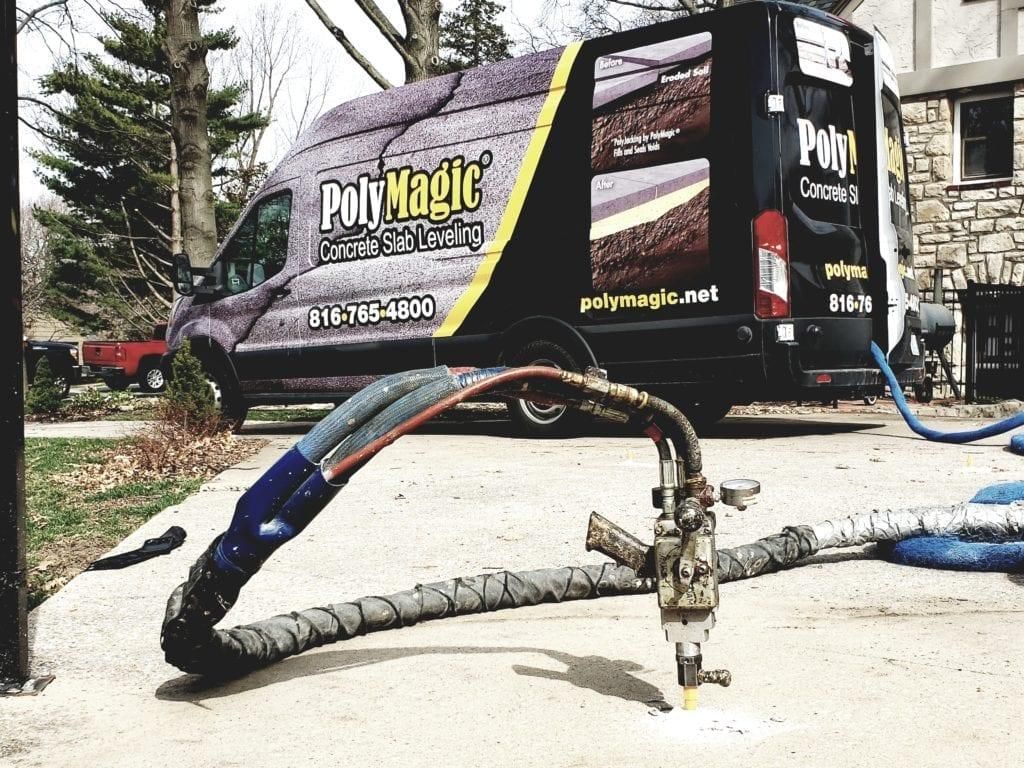
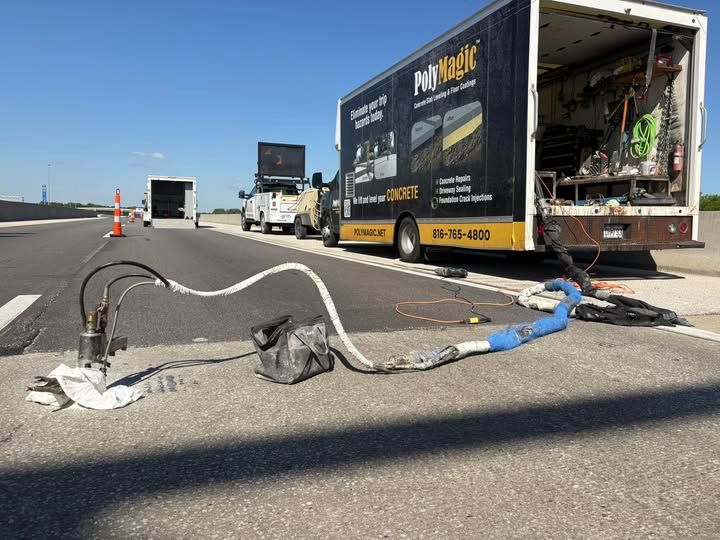
Polyjacking uses expanding polyurethane foam beneath concrete to fill voids and raise settled sections. It may be suitable when the slab is structurally sound but has dropped below its intended position.
Common areas to evaluate include:
- Driveways and garage approaches.
- Sidewalks and walkways.
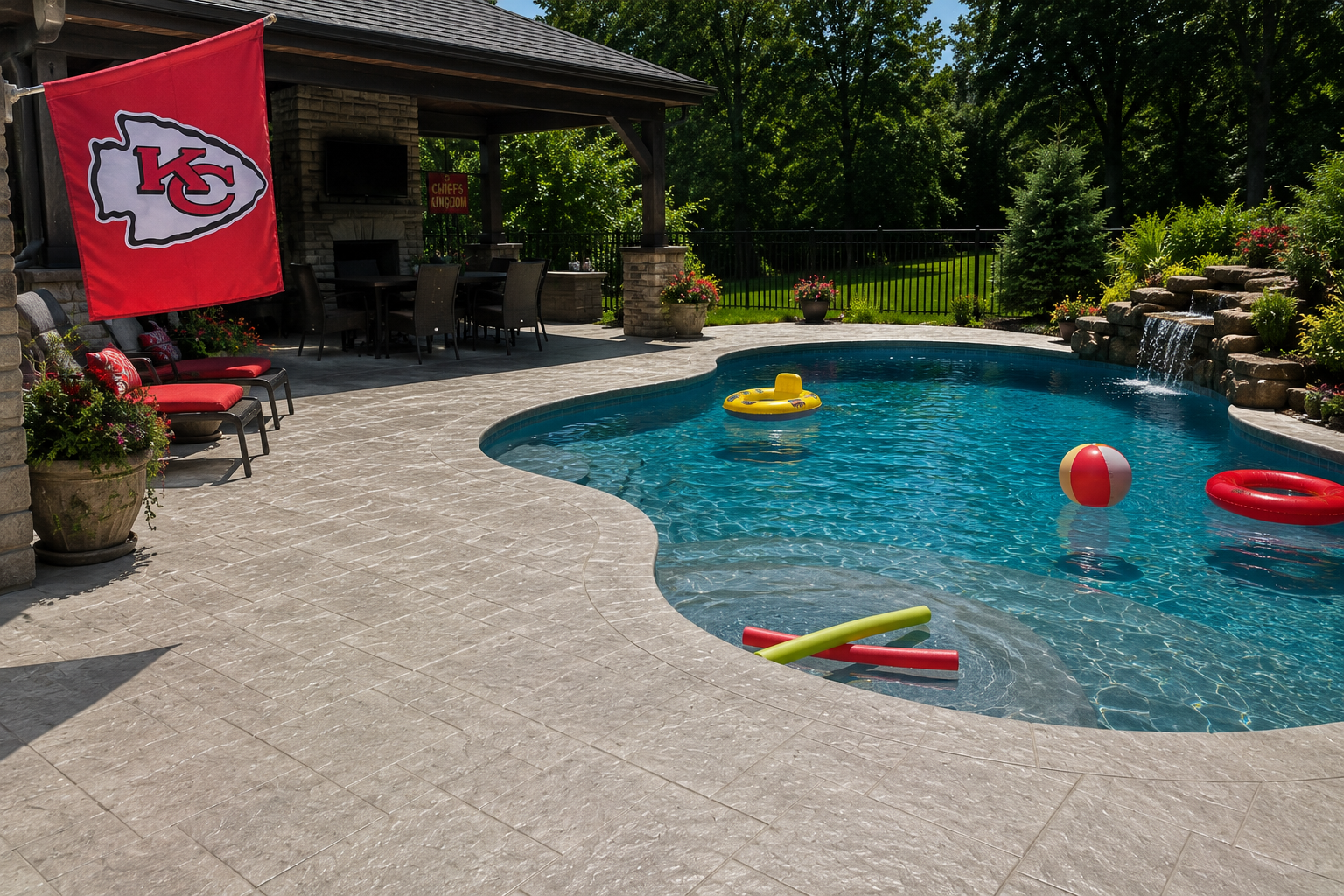
- Patios and pool decks.
- Some garage floors and concrete steps.
The right repair depends on the slab’s condition, access beneath it, surrounding surfaces, and the cause of settlement. Lifting changes the slab’s elevation; it does not make worn or badly cracked concrete new again.
When replacement deserves a closer look
Replacement may be more appropriate when concrete is extensively broken, severely deteriorated, or needs a different layout or drainage design.
A useful assessment should explain:
- Whether the existing slab can be lifted.
- What cracks or surface defects will remain afterward.
- Whether drainage improvements are also needed.
- What outcome is realistic for the affected area.
That makes it easier to compare repair and replacement based on the problem you actually have.
What affects the cost of fixing uneven concrete?
The size of the affected area is only part of the calculation. Access, the amount of lift required, voids beneath the slab, and the condition of the concrete can all affect the work involved.
Ask for an estimate that explains what is included and identifies any related work, such as joint sealing or drainage corrections. A lower initial price is less useful if it leaves the cause of settlement unaddressed.
Get an assessment before deciding
You do not have to know whether your concrete needs lifting or replacement before contacting PolyMagic.
Show us the affected area, explain what you have noticed, and point out any changes in drainage or access. We can evaluate the concrete and discuss appropriate next steps for your Kansas City or Mid-Missouri property.
Request a free concrete assessment from PolyMagic.