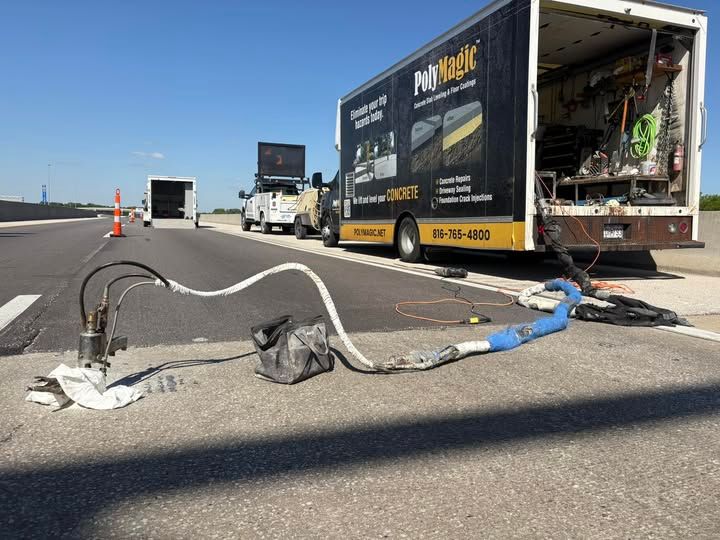
Spring is the best time for concrete leveling near me in Kansas City or Mid-Missouri. PolyMagic lifts sinking driveways, patios and sidewalks fast. No replacement needed.
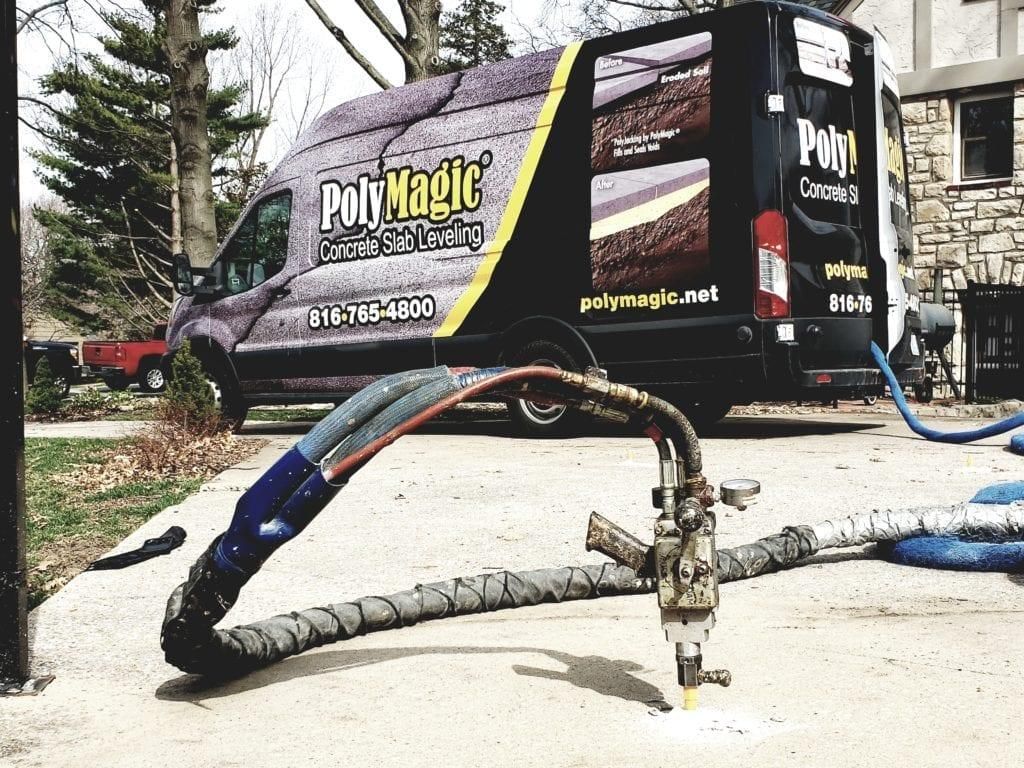
Polyjacking repairs last indefinitely with stable soil. See how polyurethane foam outlasts mudjacking in Missouri's clay soils. Free estimates from PolyMagic.
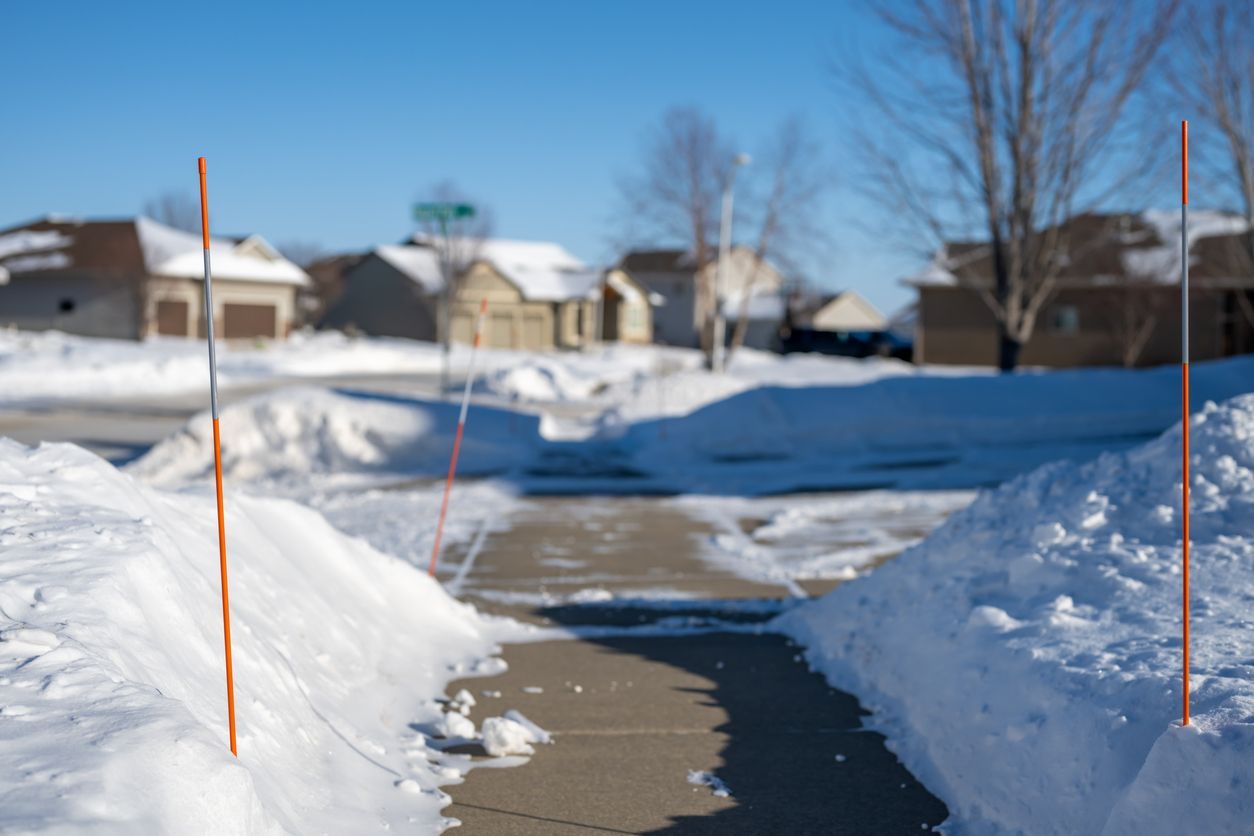
Winter freeze-thaw cycles can crack & damage concrete fast. PolyMagic protects Kansas City, Columbia, Jefferson City & Lake of the Ozarks concrete. Free assessment!
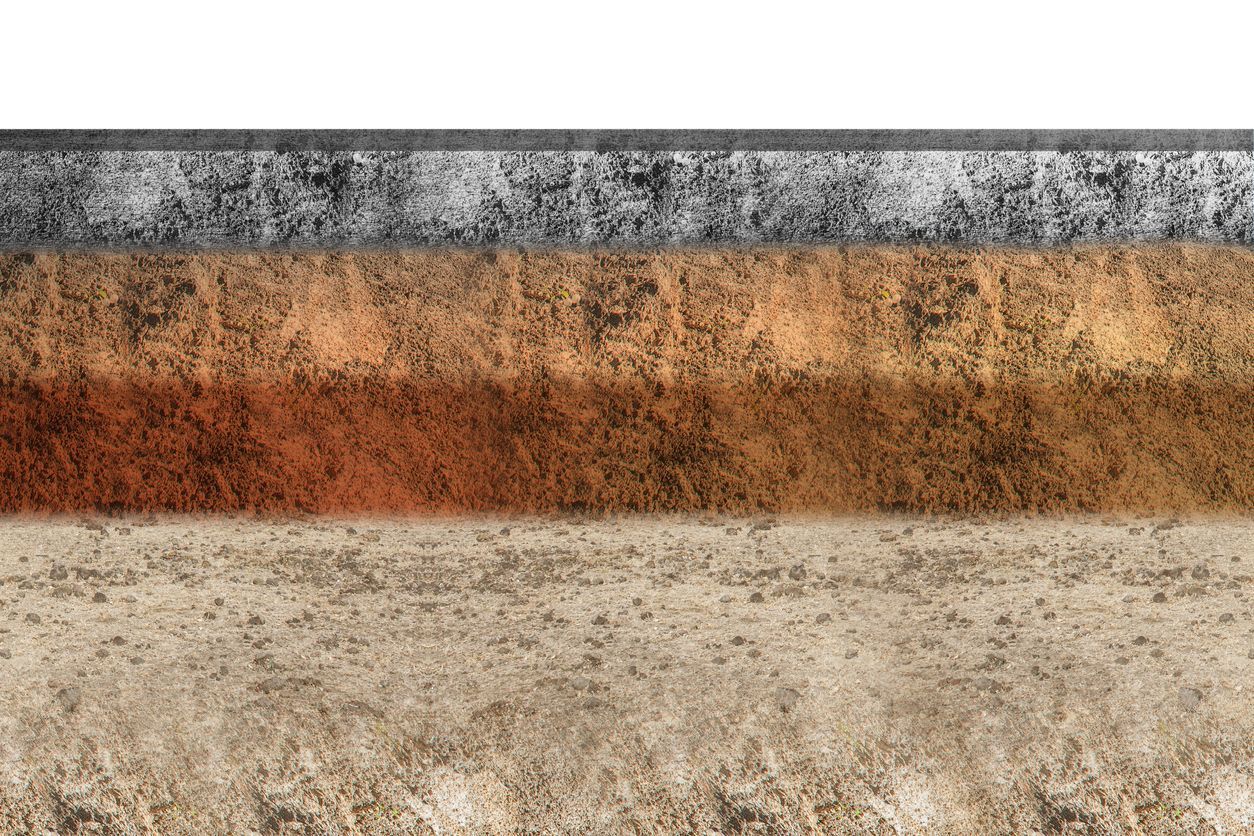
Discover how Missouri’s soil leads to sinking concrete and how polyjacking offers a long-lasting solution. Serving Kansas City, Columbia, and beyond.

Explore real before-and-after concrete repair projects across Missouri. See how PolyMagic helped homeowners with fast, reliable polyjacking solutions.
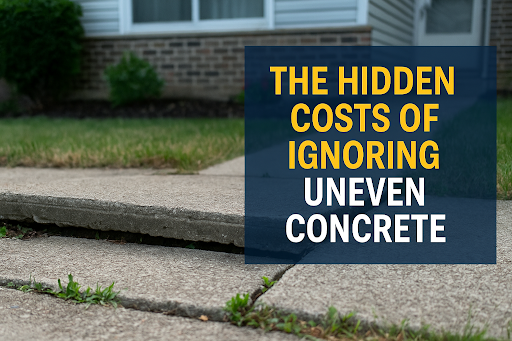
Uneven concrete can lead to safety hazards, water damage, and higher repair costs. Learn why timely concrete leveling is the smart choice for Missouri homeowners.
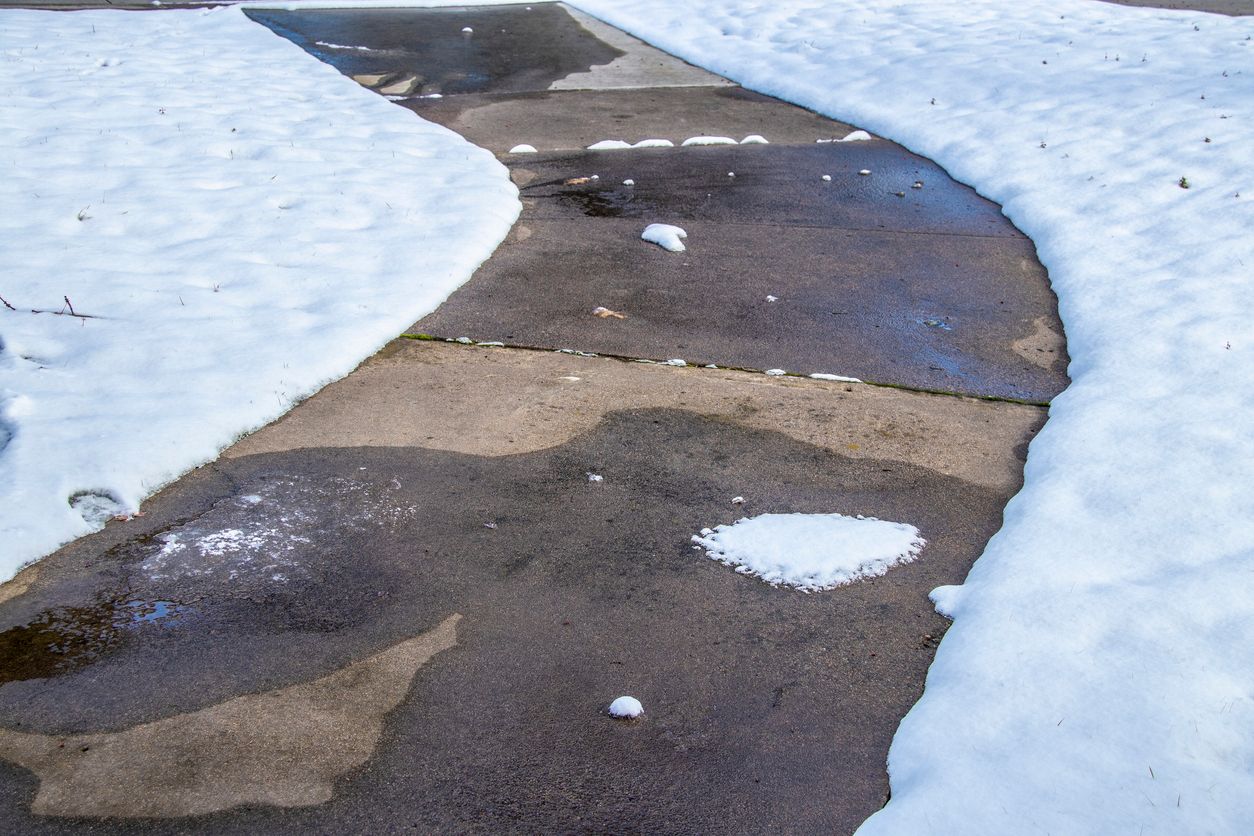
Learn how to protect your concrete from winter damage. Missouri homeowners trust PolyMagic for expert polyjacking and surface protection before the cold sets in.
Sunken concrete doesn't mean full replacement. PolyMagic explains concrete lifting methods, costs & signs you need leveling in Kansas City & Mid-Missouri. Free quote!
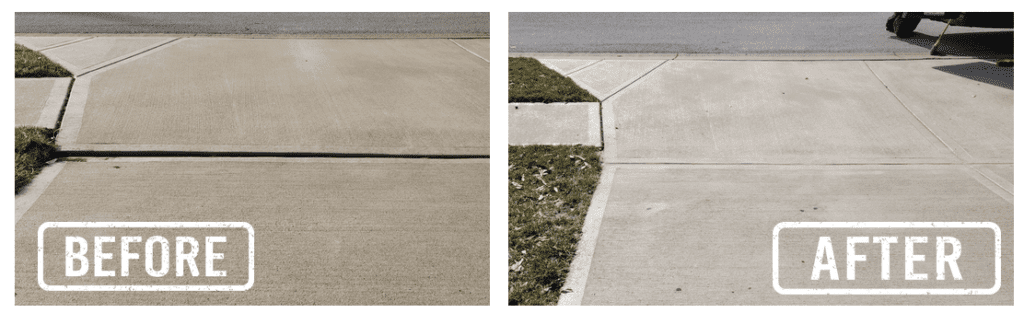
Level concrete surfaces protect Missouri homes from weather, soil shifts & safety risks. PolyMagic delivers durable concrete leveling solutions. Free estimate today!
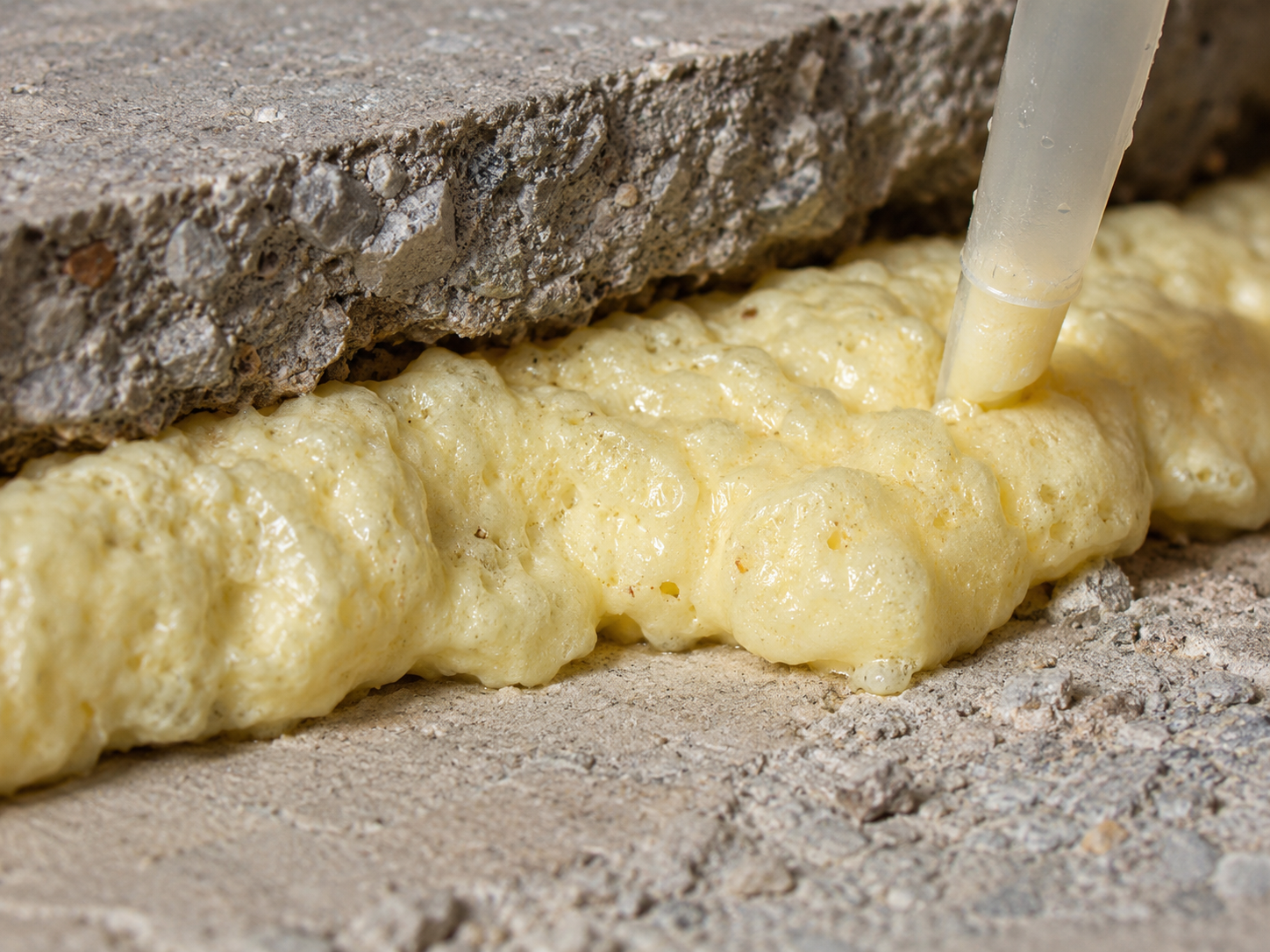
Discover the benefits of polyjacking for sinking concrete. PolyMagic lifts driveways, sidewalks & patios in Kansas City, Columbia & Jefferson City. Free estimate!
Sinking driveway in Kansas City or Mid-Missouri? PolyMagic explains when to repair vs. replace concrete. Free estimates in KC, Columbia & Jefferson City.
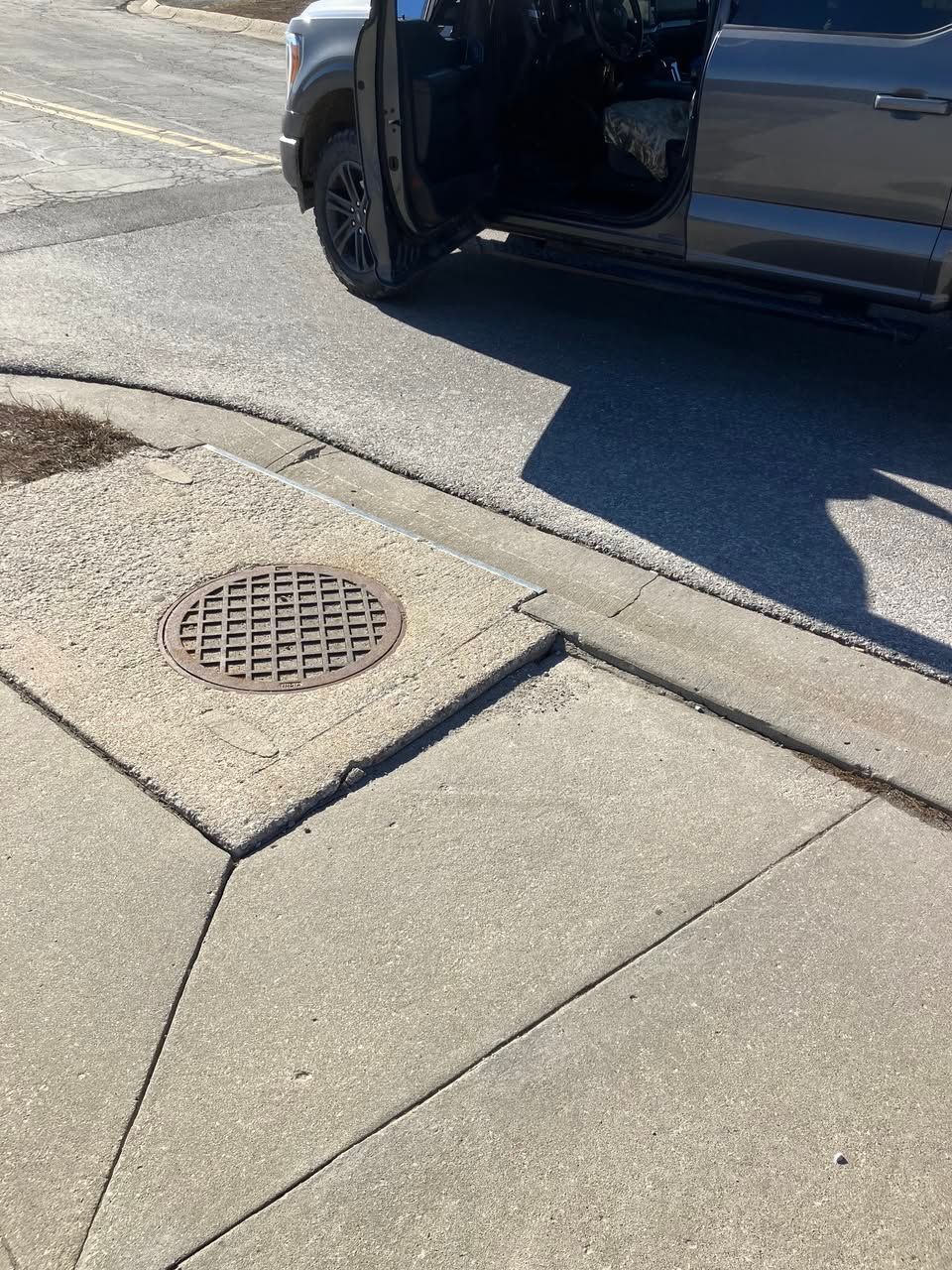
Mudjacking vs. polyjacking: PolyMagic explains why polyurethane foam concrete leveling outlasts mud in Kansas City, Columbia, Jefferson City & Lake of the Ozarks. Free estimate!
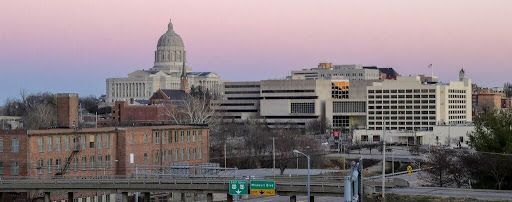
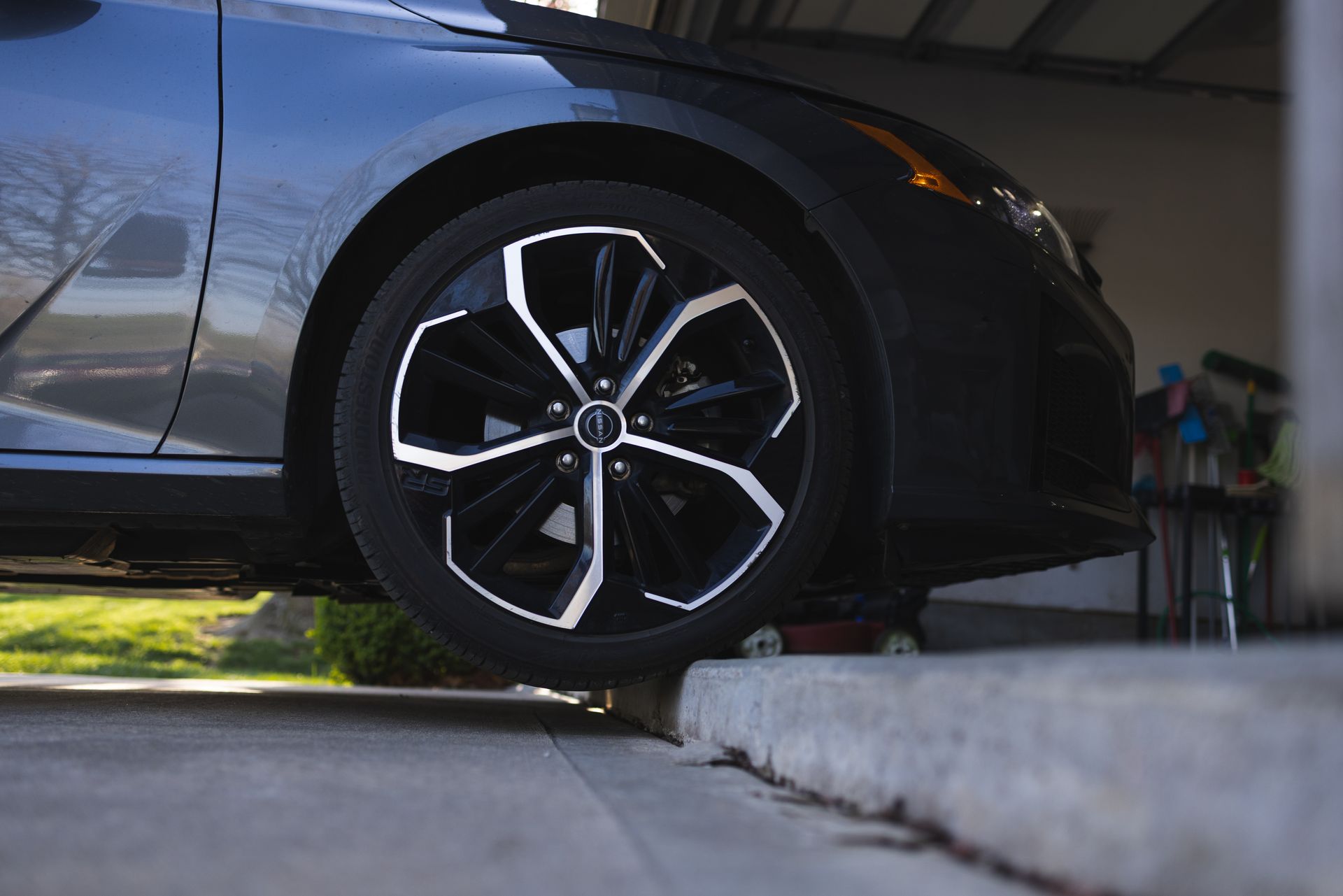
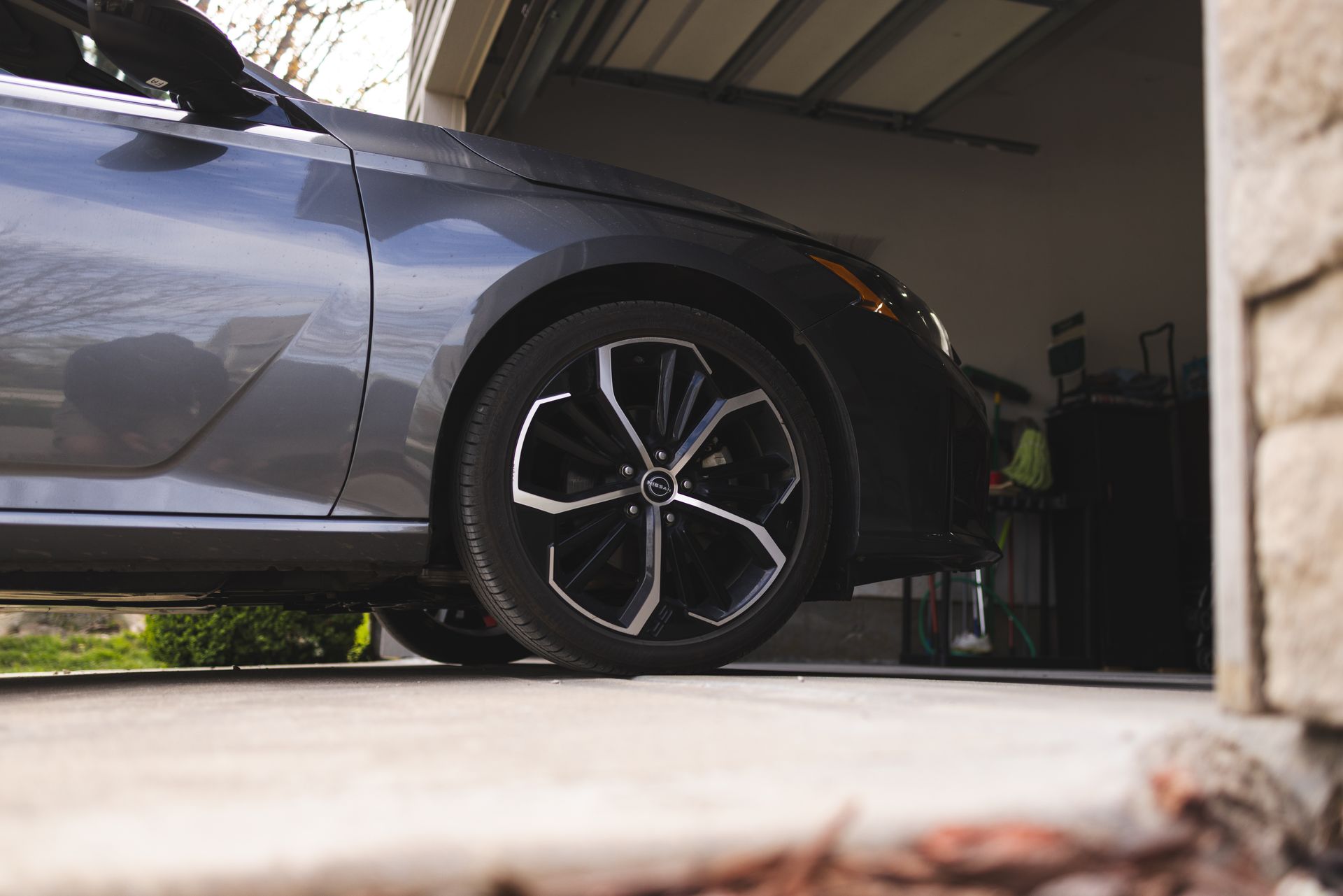
Uneven garage floor in Jefferson City? PolyMagic uses polyjacking to lift & level concrete fast in Jefferson City, Columbia & Lake of the Ozarks. Free quote!
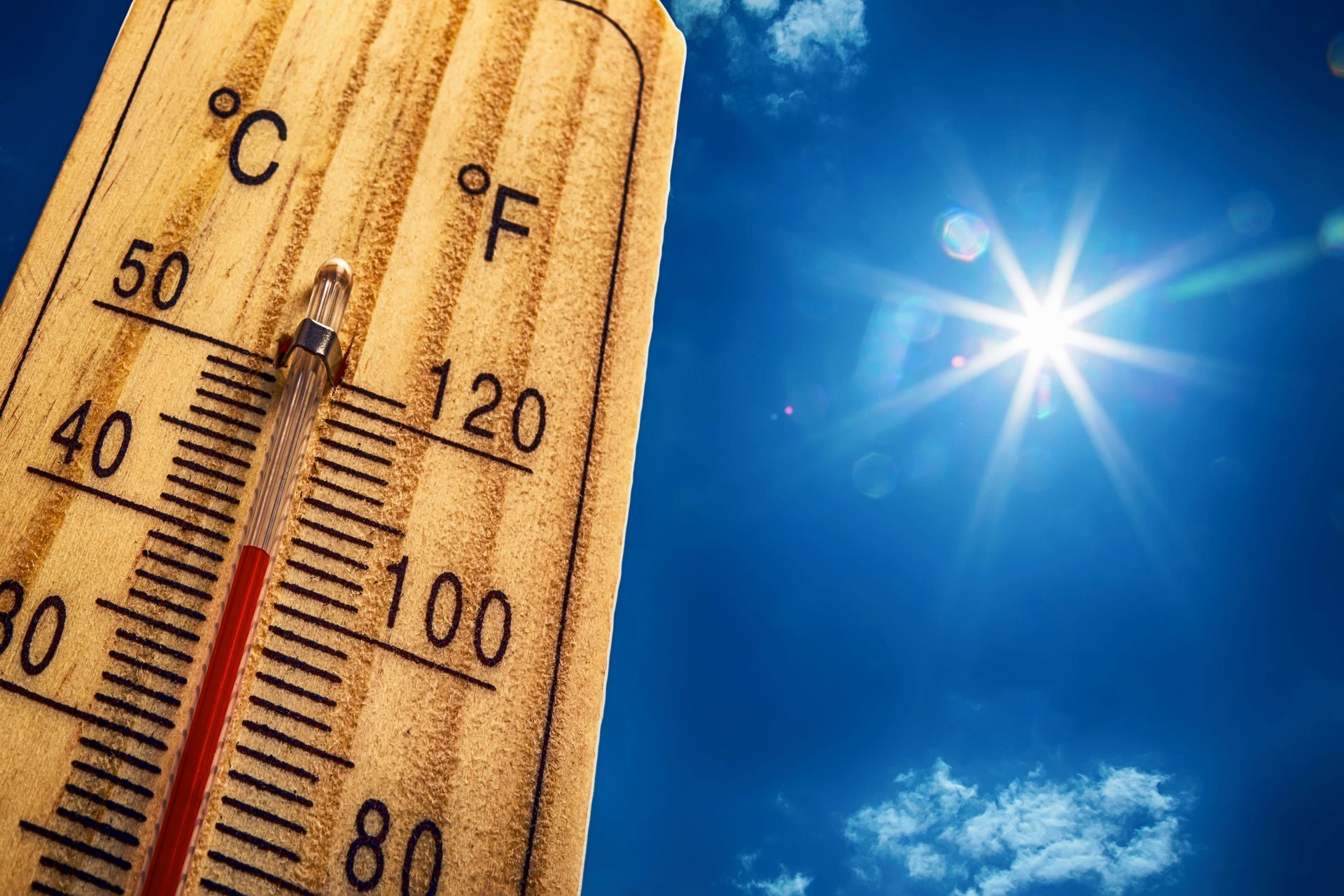
Summer heat cracks & shifts concrete fast. PolyMagic explains how polyjacking fixes summer concrete damage in Missouri. Request a free estimate today!

Boost your home's resale value with 8 smart upgrades with floor coatings & concrete lifting. PolyMagic serves Kansas City, Jefferson City & Lake of the Ozarks!
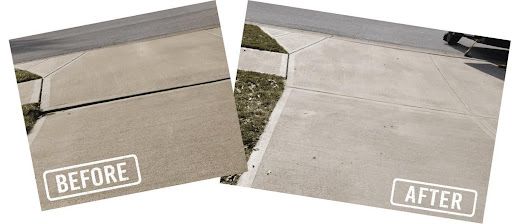
Learn how summer droughts damage concrete through soil shrinkage, cracking, settling, and erosion, plus practical tips to prevent costly repairs.
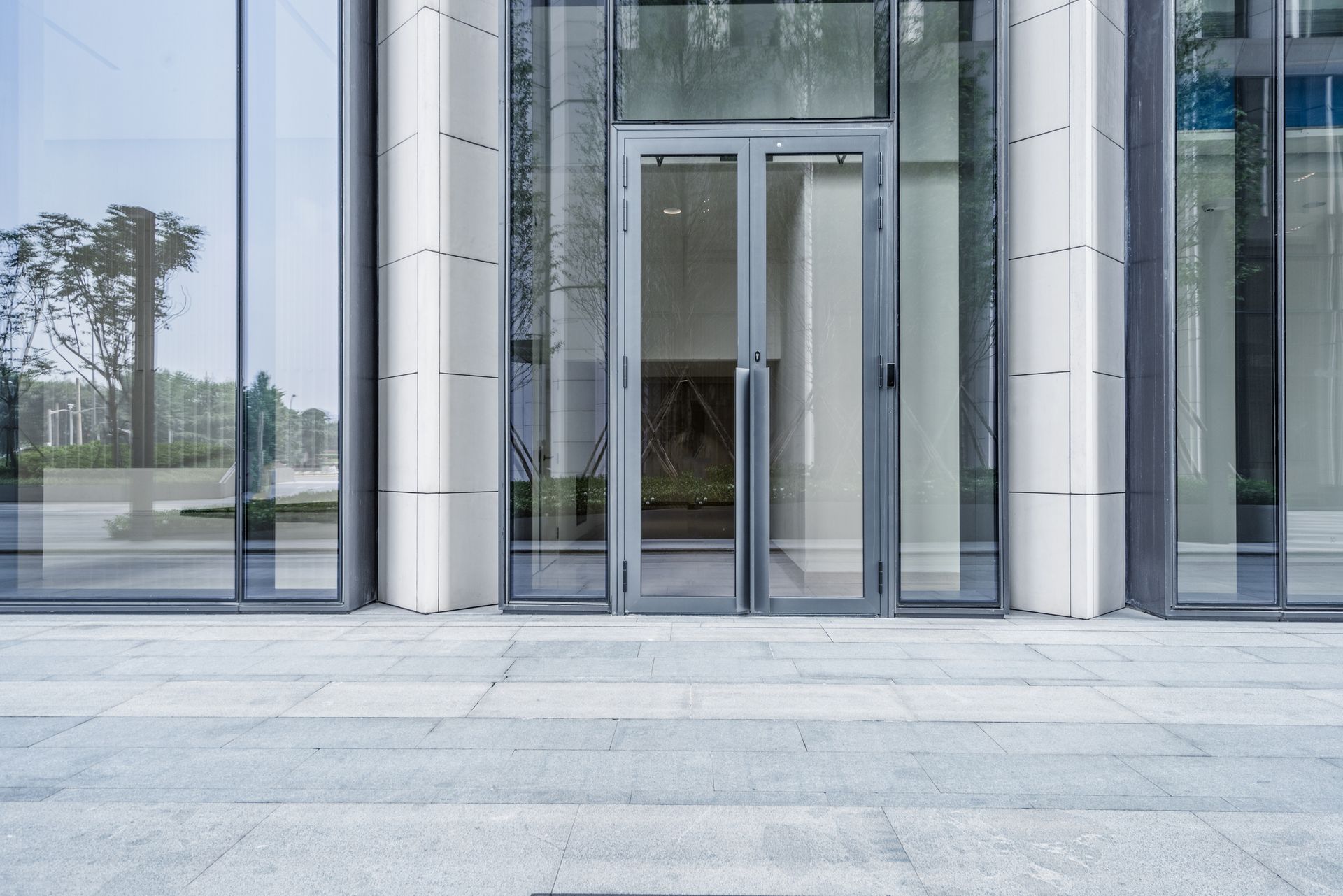
Discover the top commercial property benefits of polyjacking and concrete lifting in Kansas City Metro & Mid-Missouri, from improved safety to lower repair costs.
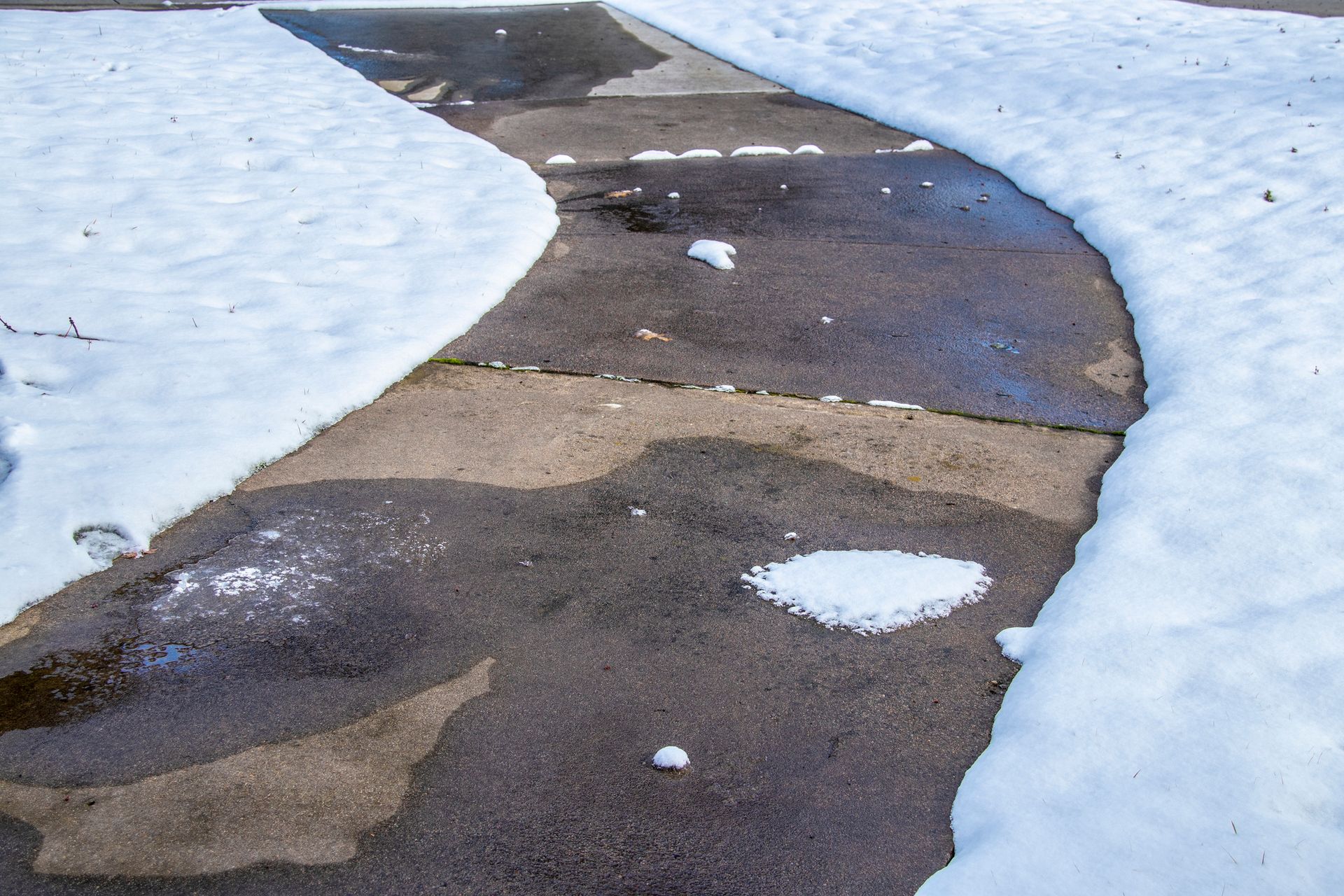
Can you repair a sidewalk during winter? Learn how polyjacking works in cold weather and why it's a fast, effective solution in Kansas City & Mid-Missouri.
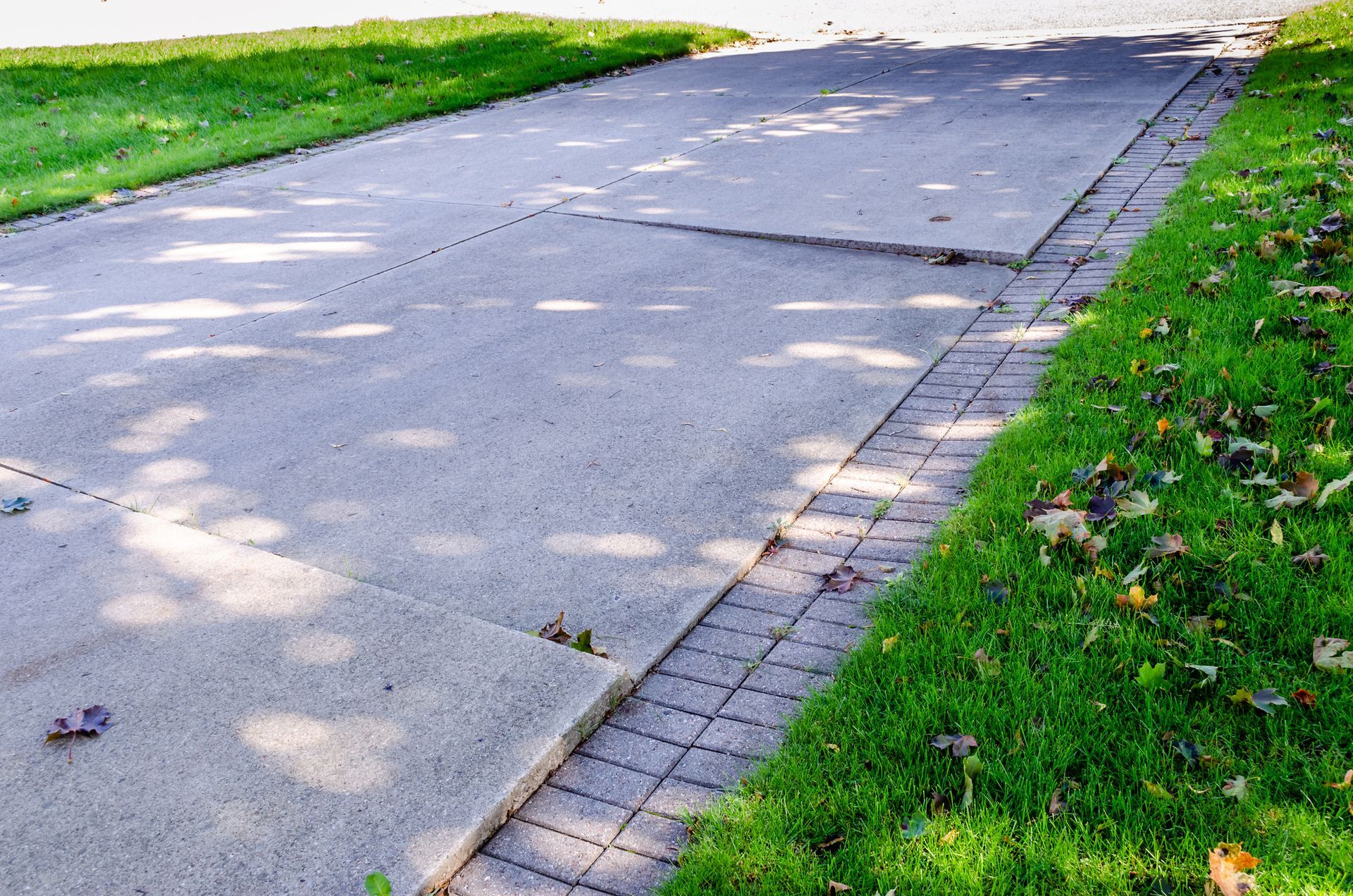
Learn the top signs your concrete driveway needs repair, from cracks and stains to pooling water, and protect your Kansas City or Mid-Missouri area home.
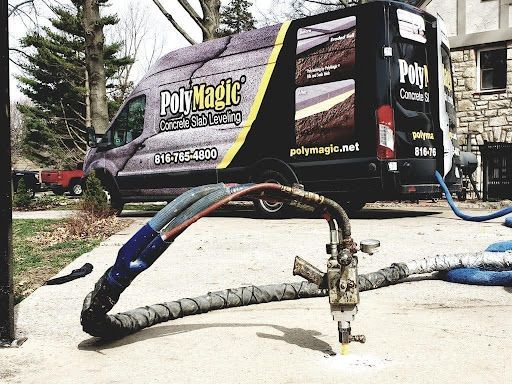
Repair your garage concrete this winter to prevent freeze-thaw damage, cracks, and settling. Learn why winter is ideal for concrete repair and polyjacking.
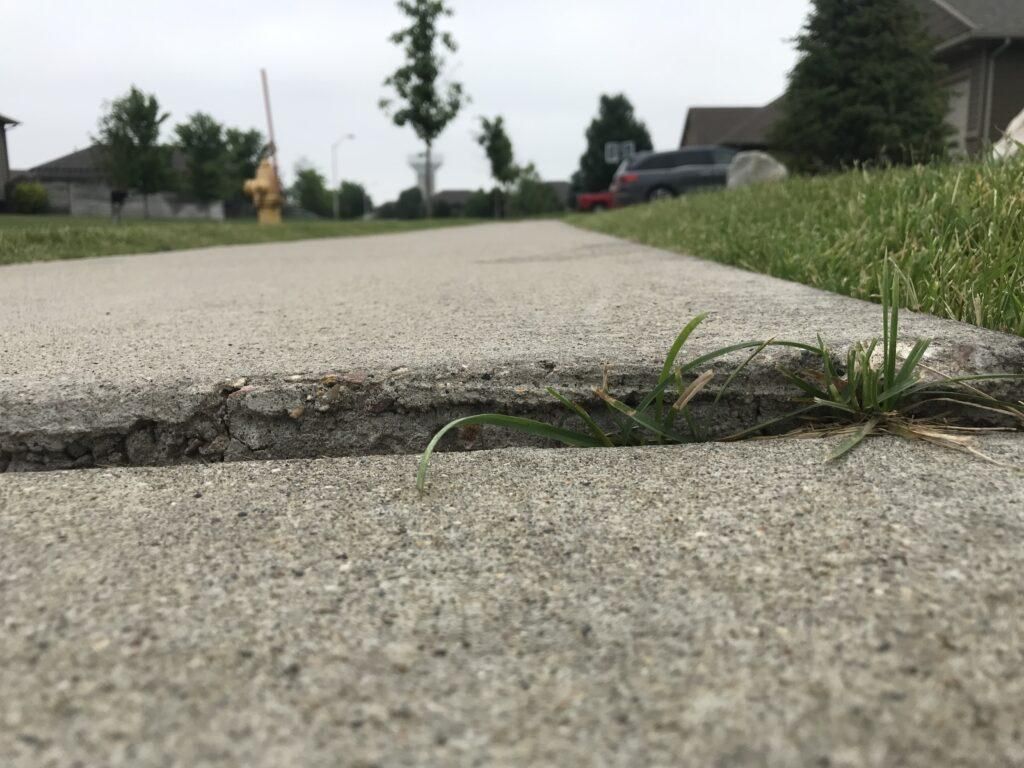
Learn the common causes of cracked concrete and how repair, lifting, and leveling can restore driveways, patios, and slabs across Kansas City & Mid-Missouri.
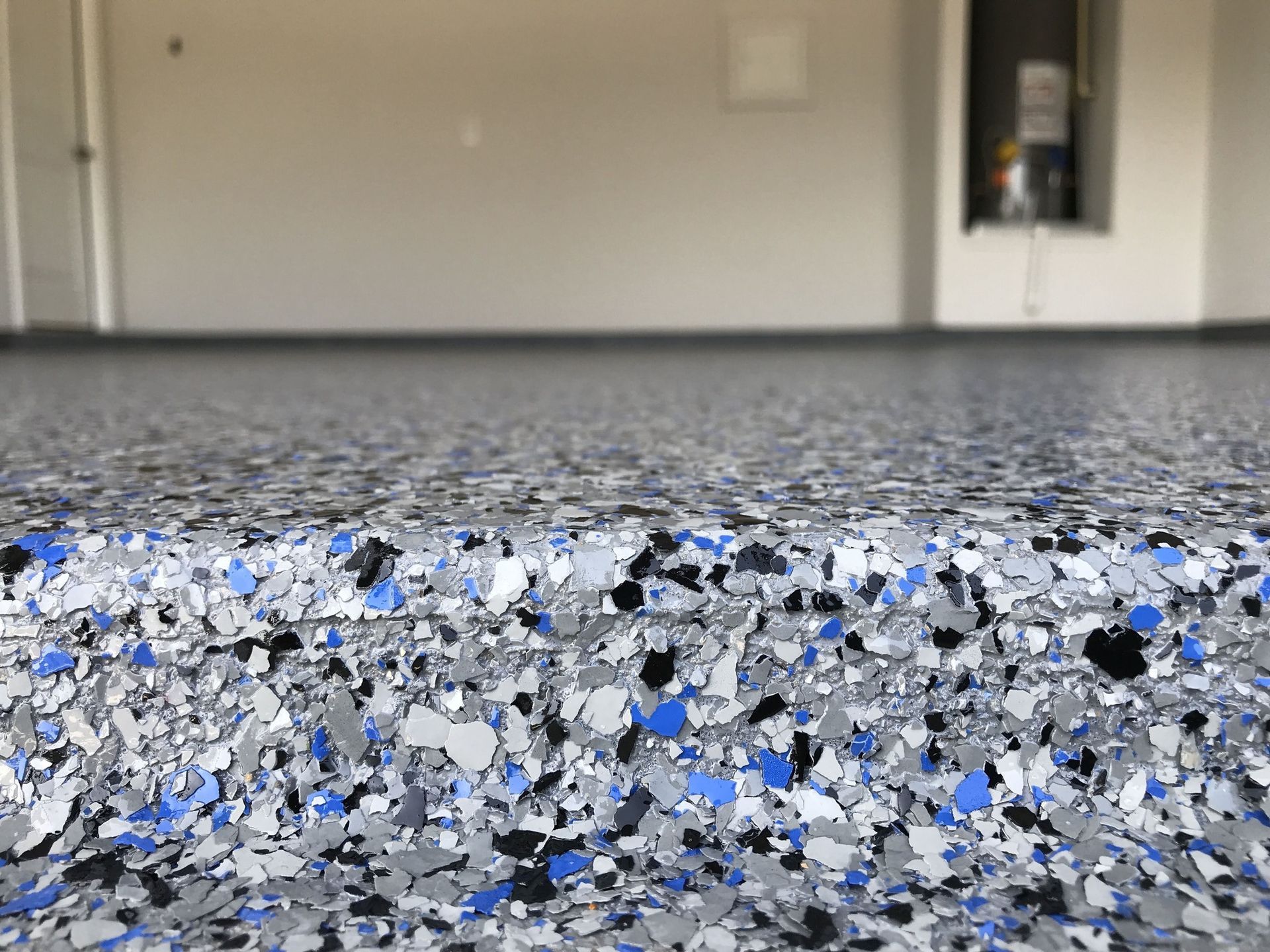
Discover 10 reasons Missouri homeowners choose epoxy garage floors. PolyMagic serves Kansas City, Columbia, Jefferson City & Lake of the Ozarks. Free estimate!
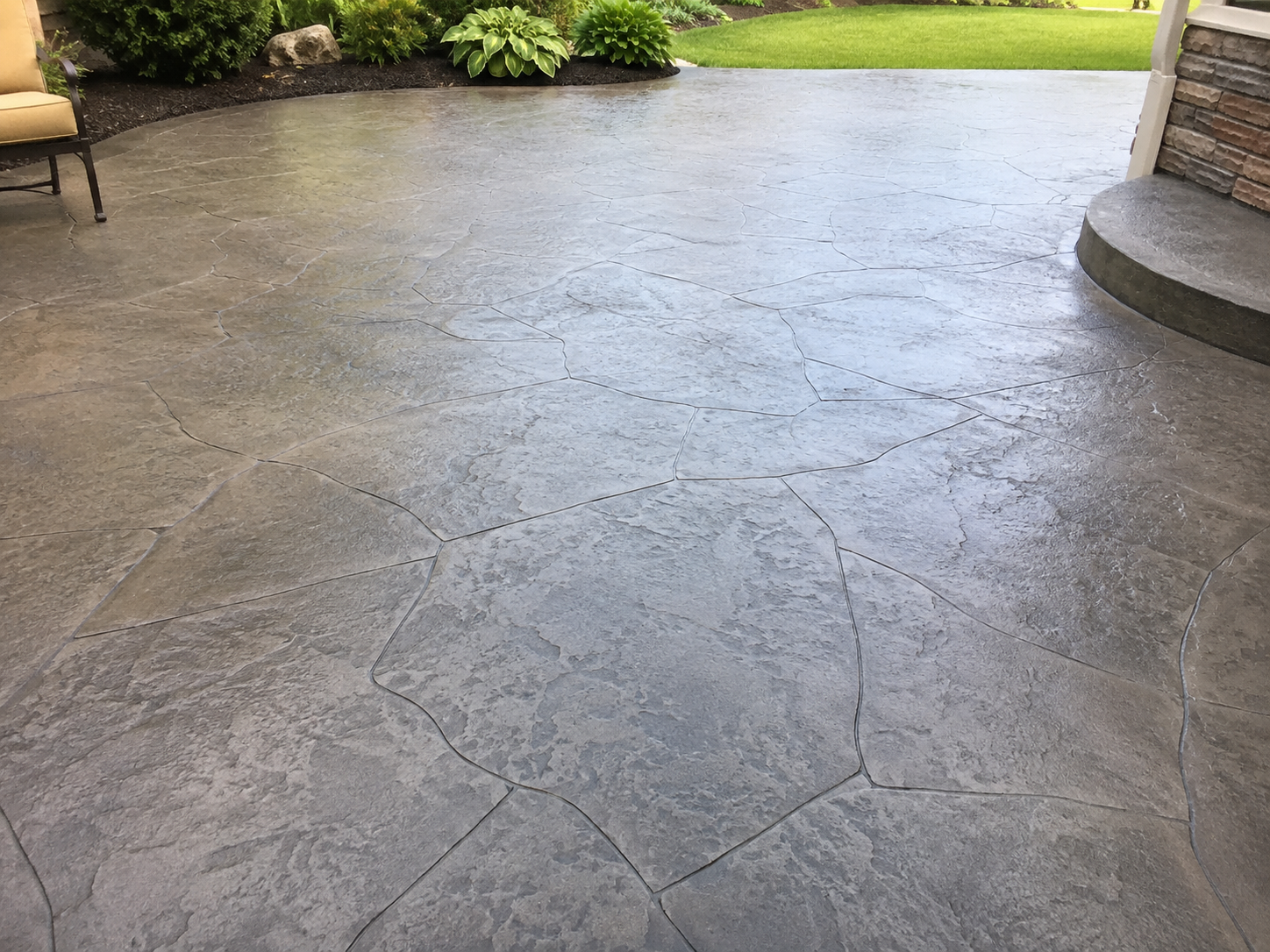
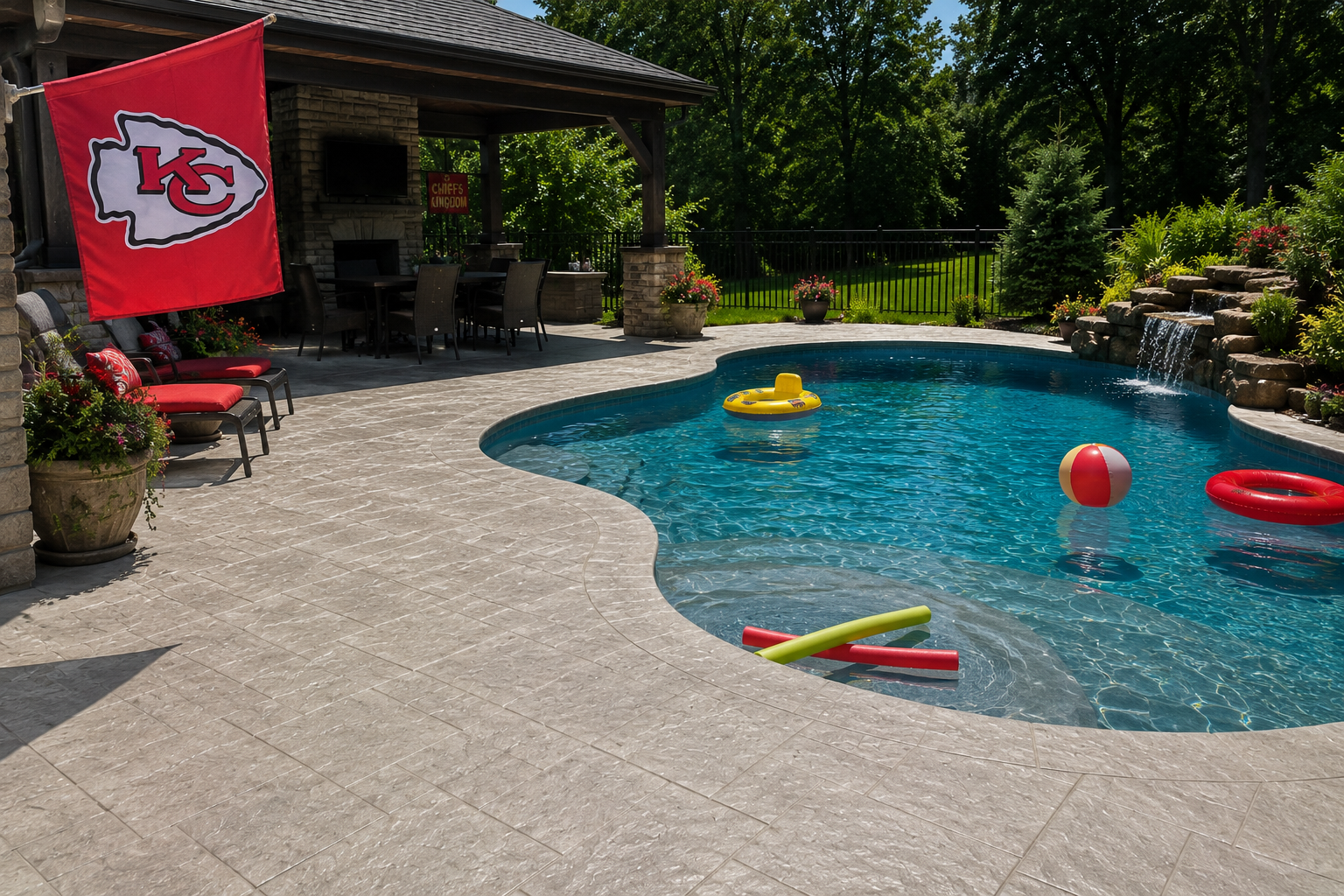
Transform worn concrete without replacement. PolyMagic offers decorative concrete overlays for pool decks, patios & commercial spaces in Johnson County, KS.
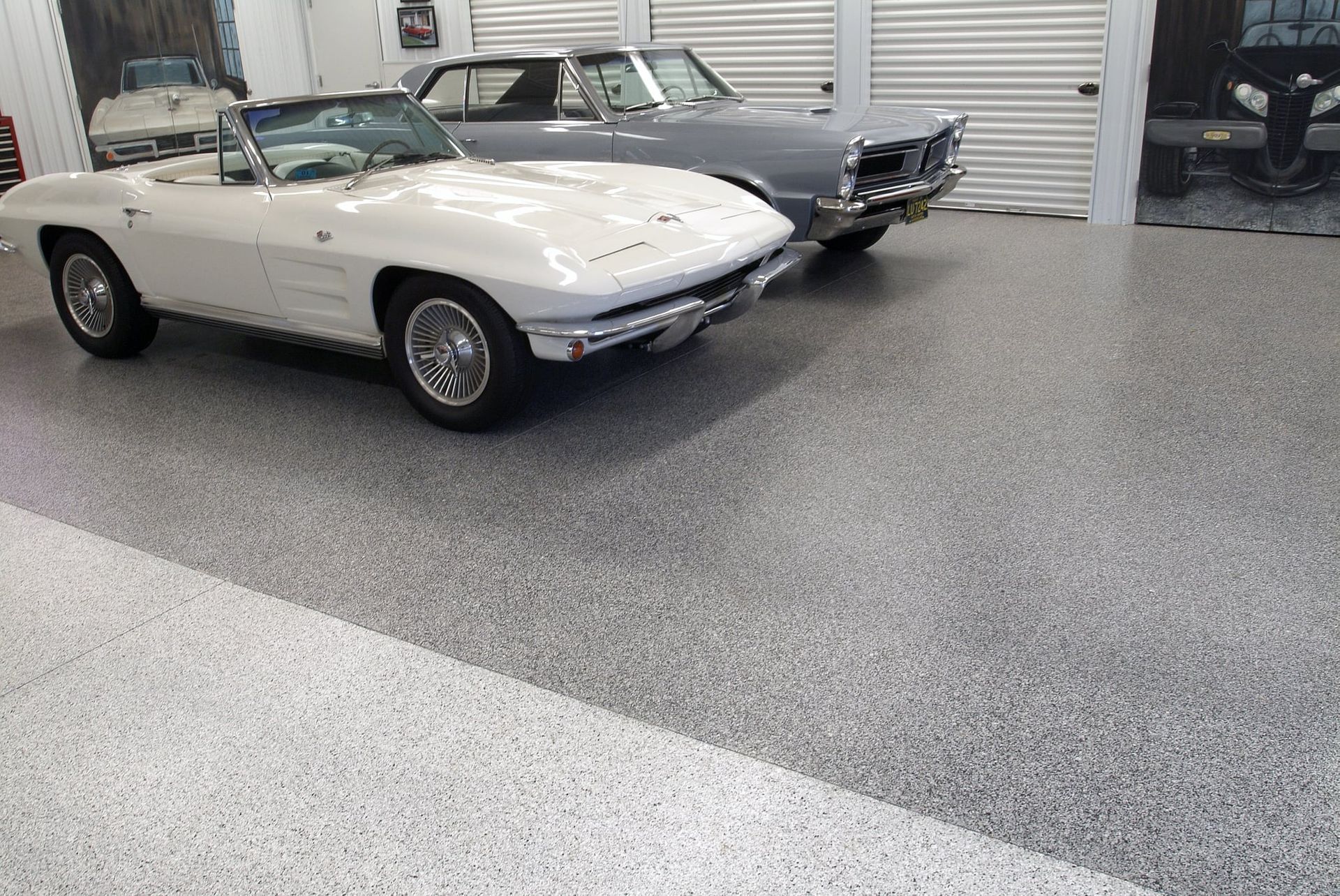
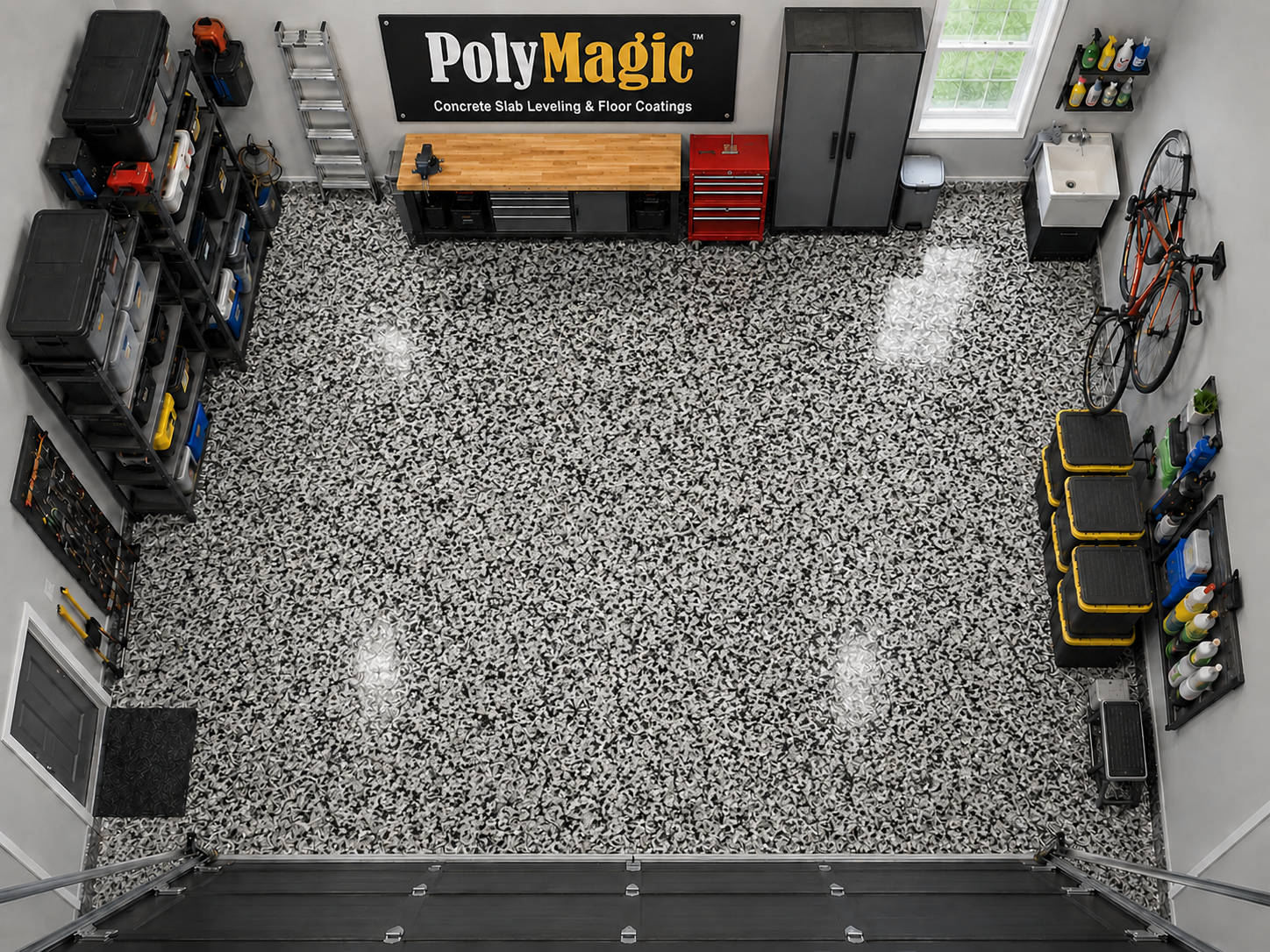
Professional epoxy garage floors repel oil, road salt & spills permanently. PolyMagic serves Kansas City, Jefferson City, Columbia & Lake of the Ozarks. Free quote!
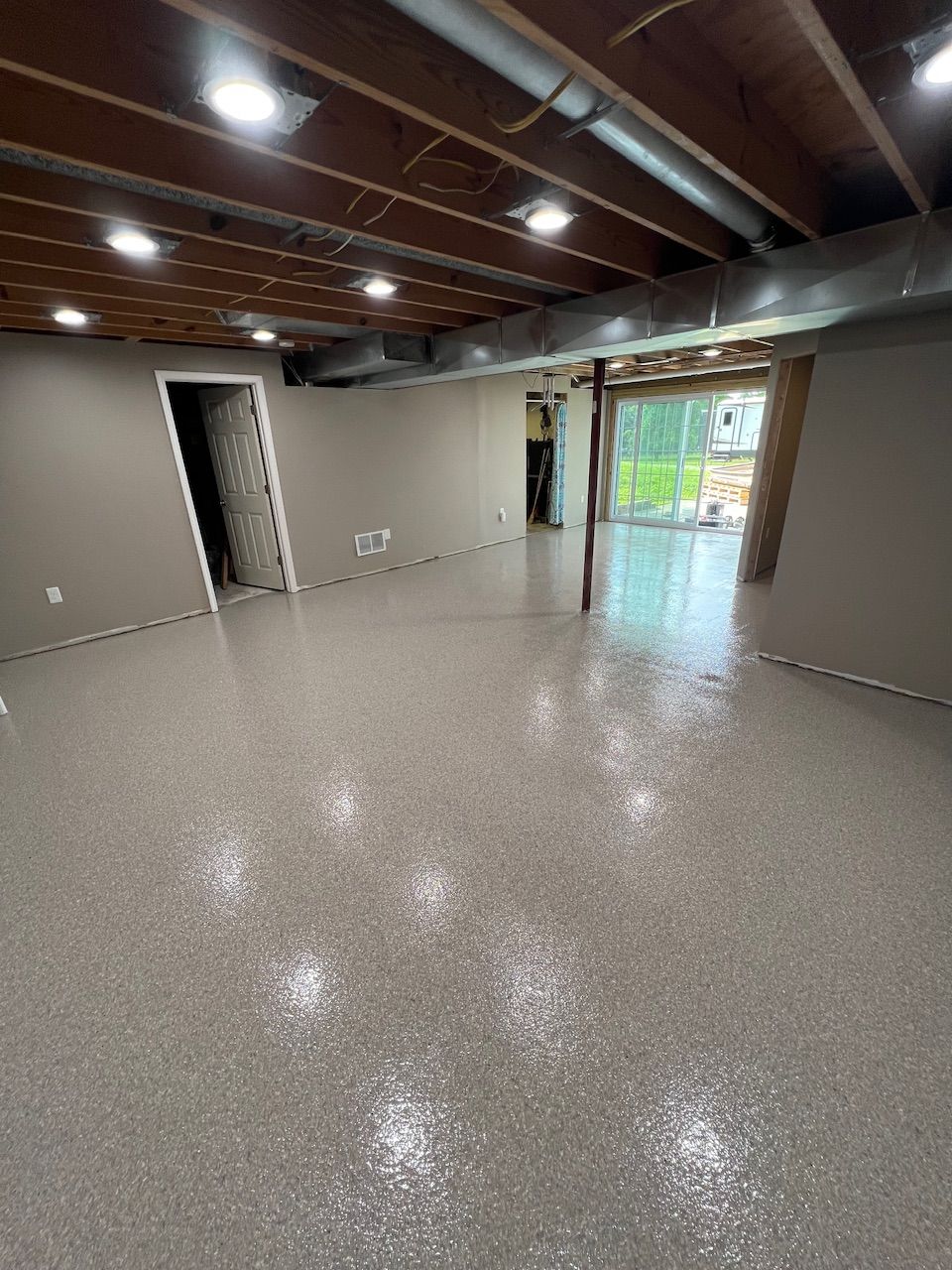
Epoxy isn't just for crafts—it's serious floor protection. PolyMagic installs professional epoxy coatings in Kansas City, Jefferson City, Columbia & the Ozarks.
Restore and protect your stamped concrete with Duravel coatings and overlays. PolyMagic serves Kansas City, Columbia, Jefferson City & Lake of the Ozarks.
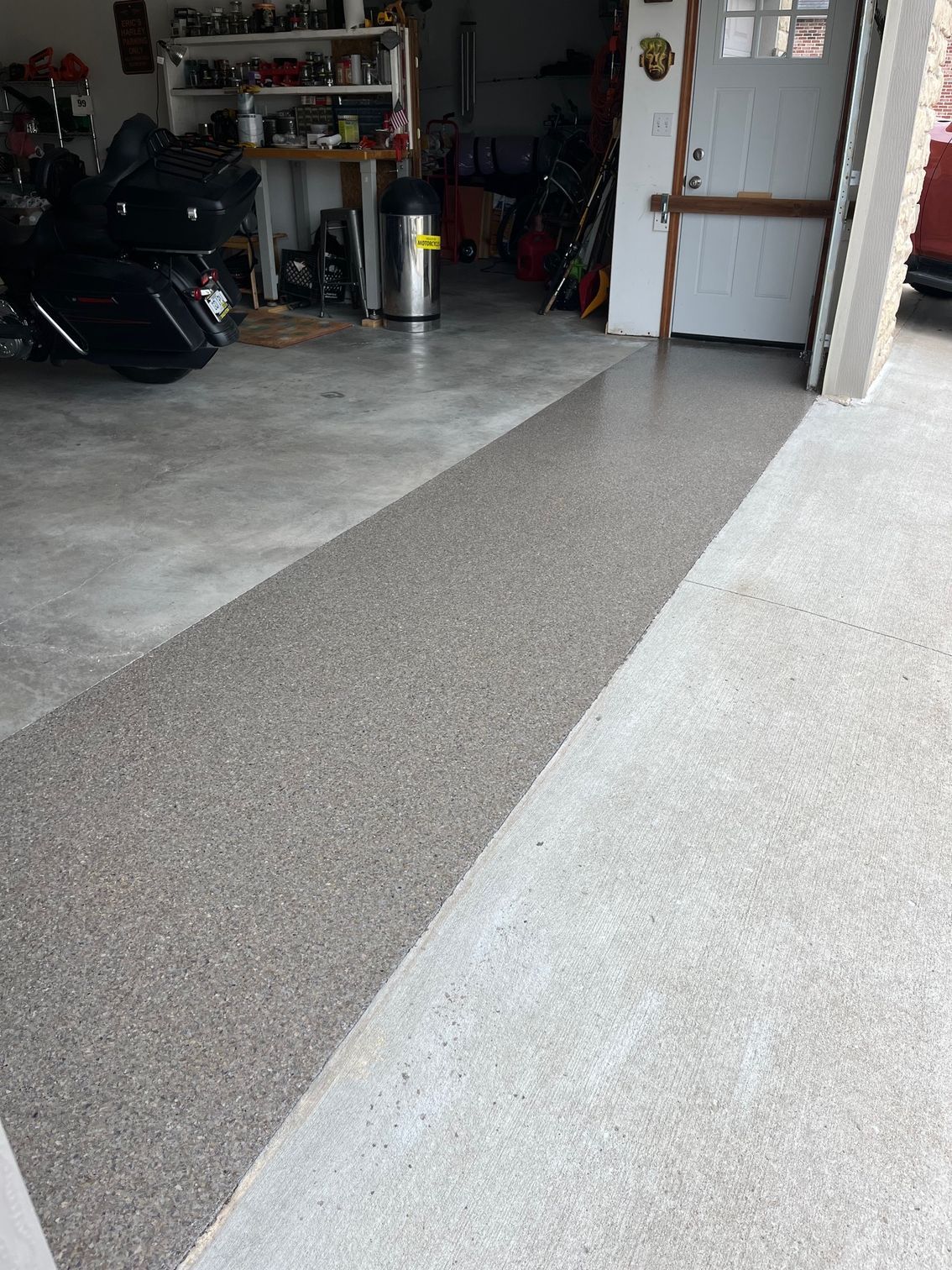
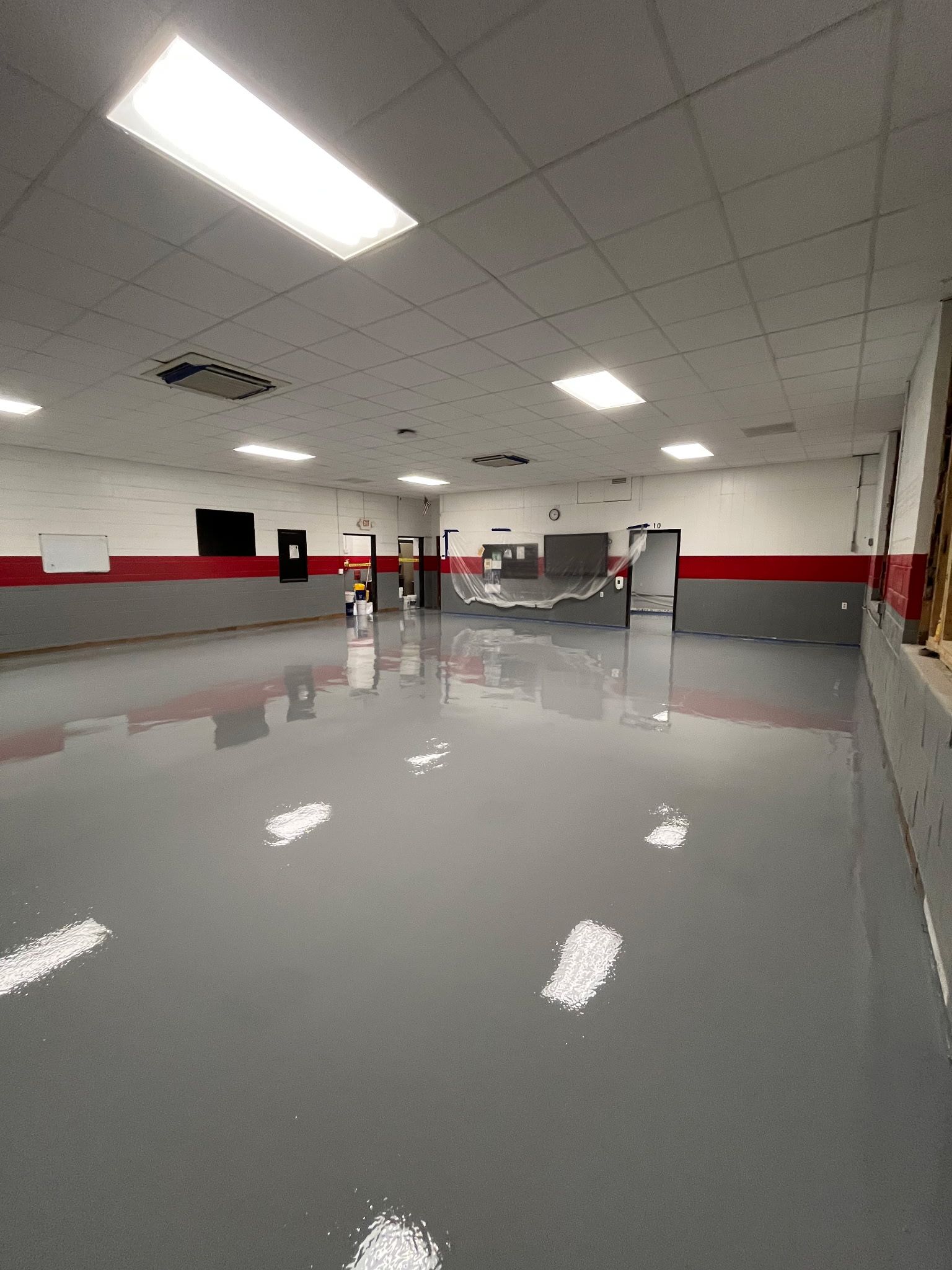
Epoxy coatings protect concrete floors for 15–25 years. PolyMagic delivers professional epoxy installation in Kansas City, Jefferson City, Columbia & the Ozarks.
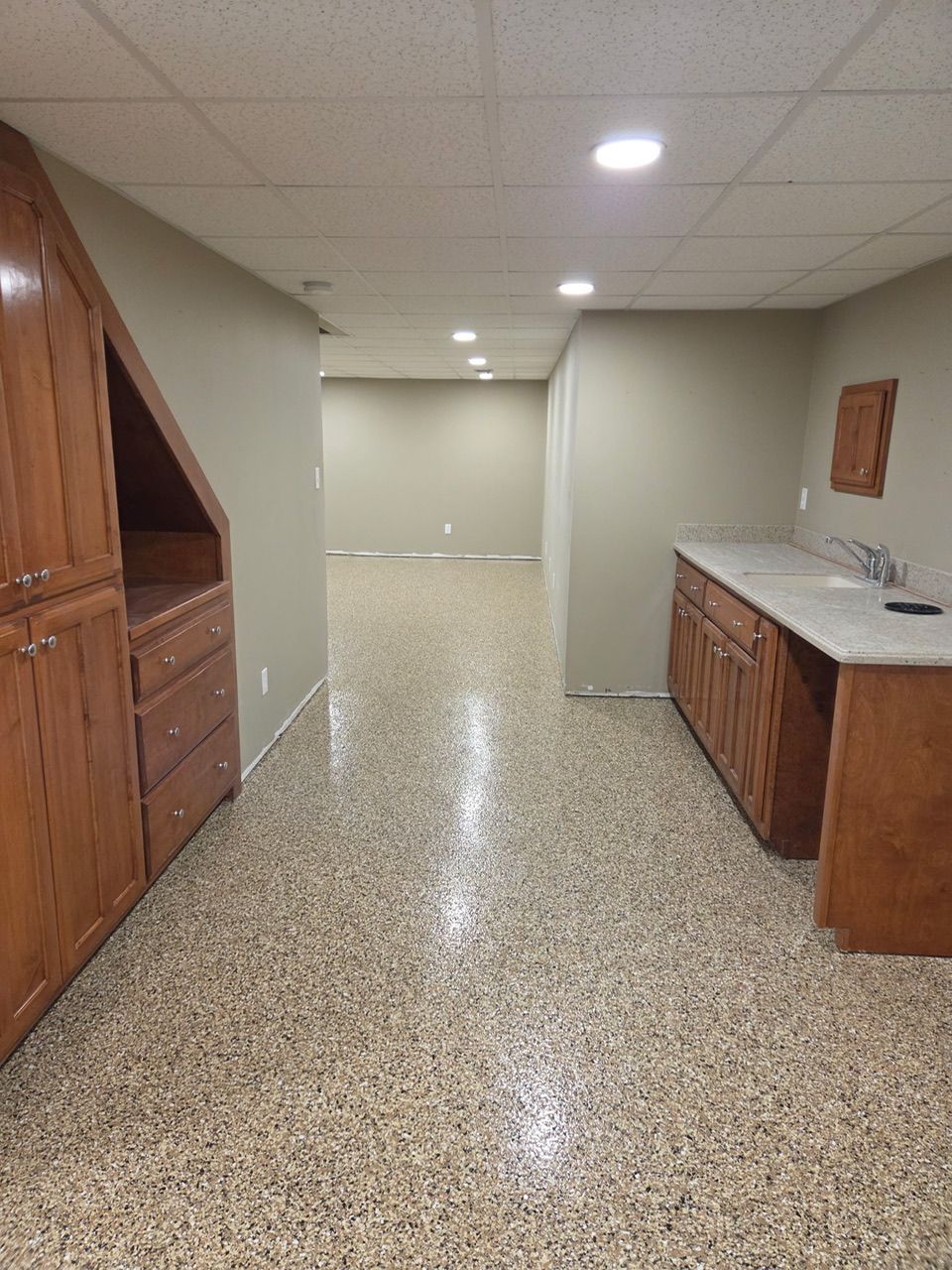
Transform Your Concrete Floors with PolyMagic’s Professional Epoxy Coating Services

American-made epoxy outperforms cheap imports in durability, adhesion & safety. See why PolyMagic only uses USA-made coatings for Missouri concrete floors. Free quote!
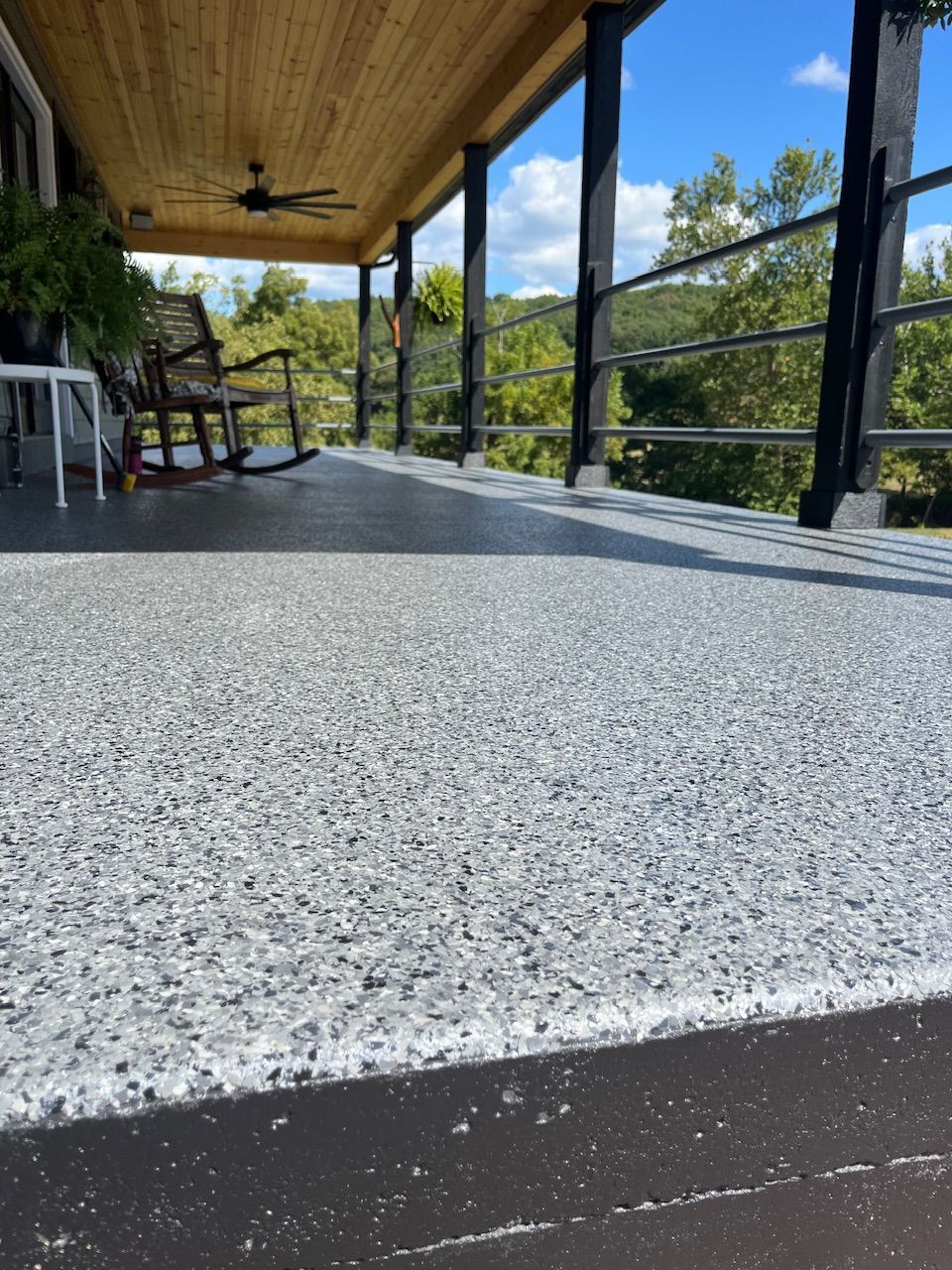
Cementitious vs. resinous floor coatings, what's the difference? PolyMagic helps Kansas City, Columbia, Jefferson City & Lake of the Ozarks find the right system.
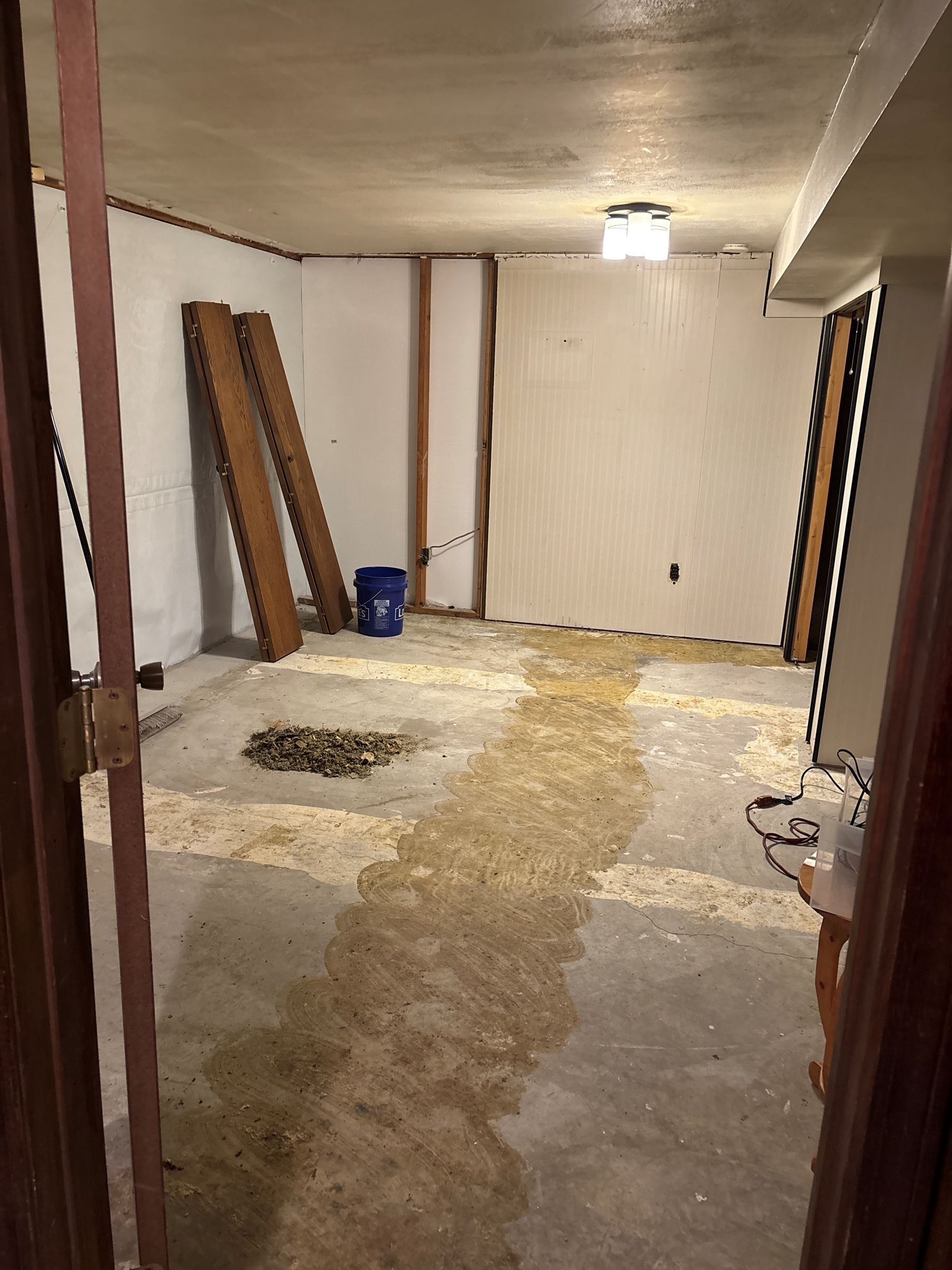
Great epoxy floors start with expert surface prep. See how PolyMagic's process of moisture testing, CSP matching & grinding delivers lasting results across Missouri.
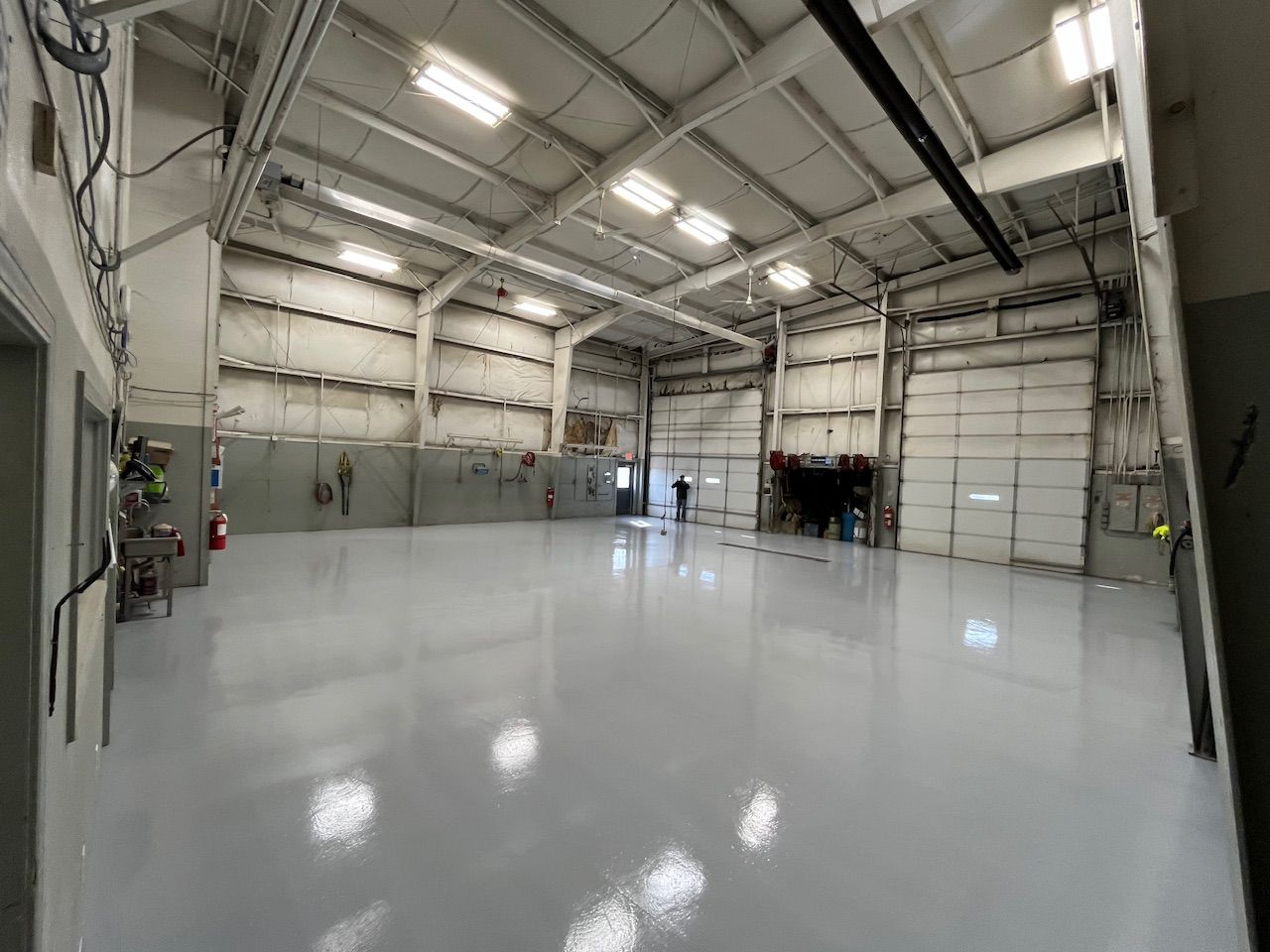
Learn how commercial-grade floor coatings offer better durability, safety, and style. Missouri homeowners and businesses choose PolyMagic’s polyaspartic system.
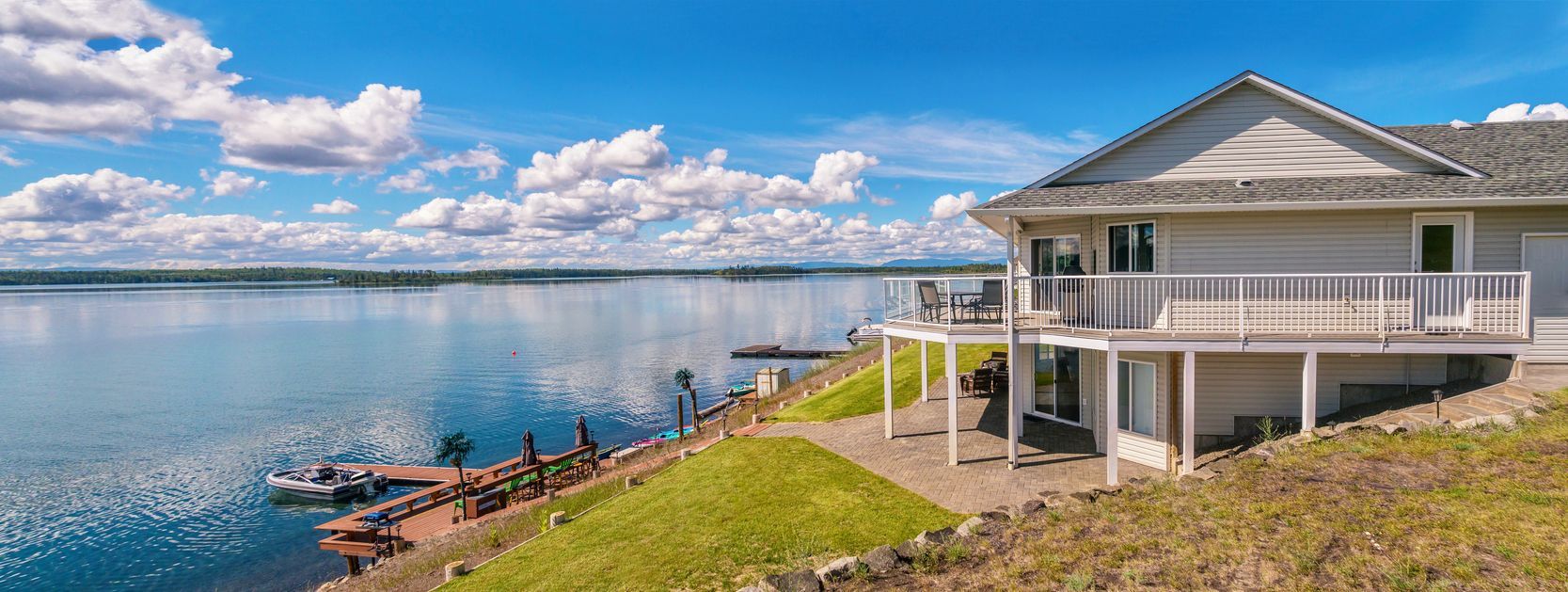
Upgrade your lake home with durable patio & garage floor coatings. PolyMagic offers epoxy & polyaspartic solutions for Lake of the Ozarks & Mid-Missouri properties.
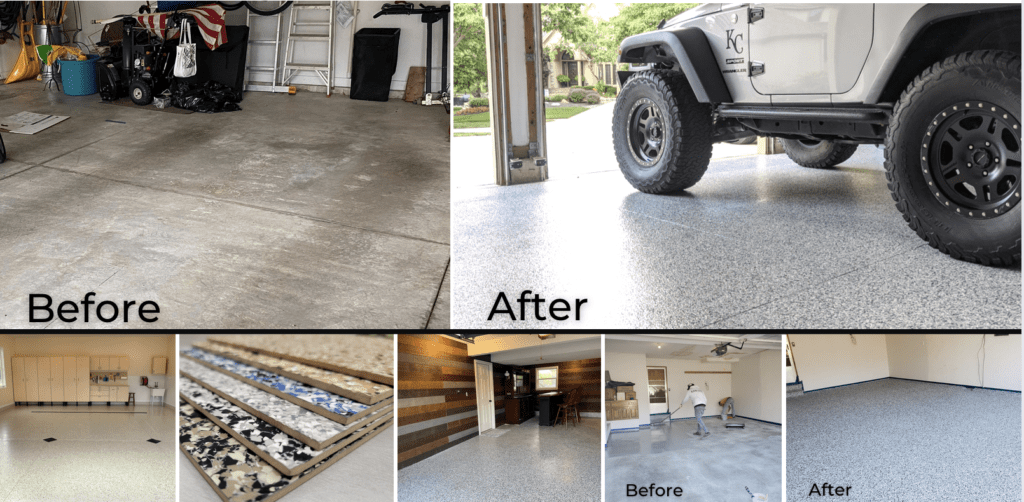
Epoxy, polyaspartic, or polyurethane? PolyMagic compares garage floor coating options for Kansas City, Columbia, Jefferson City & Lake of the Ozarks. Free estimate!
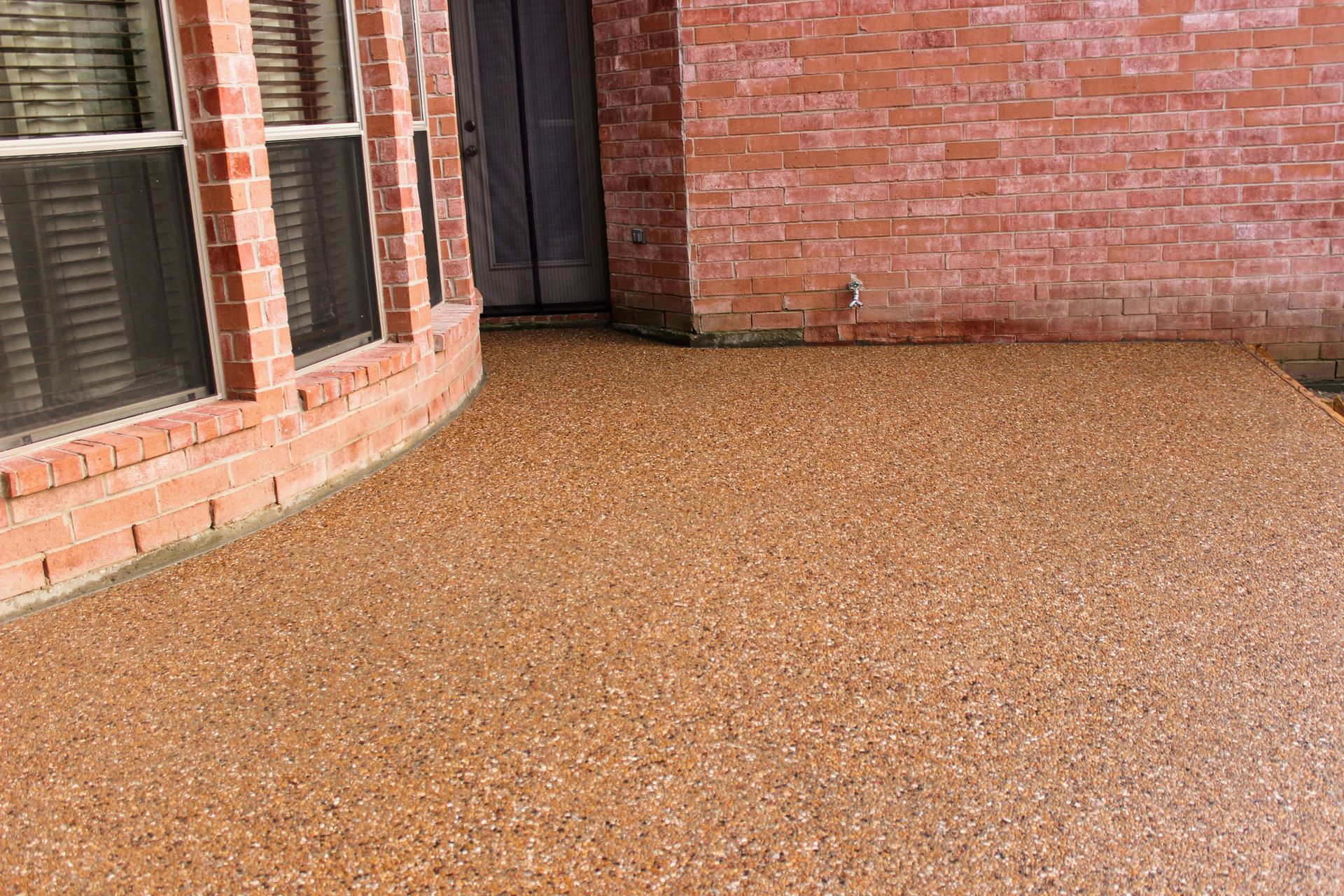
Refresh your porch or patio with durable epoxy flooring. Discover the benefits, design options, and how protective coatings enhance outdoor spaces.
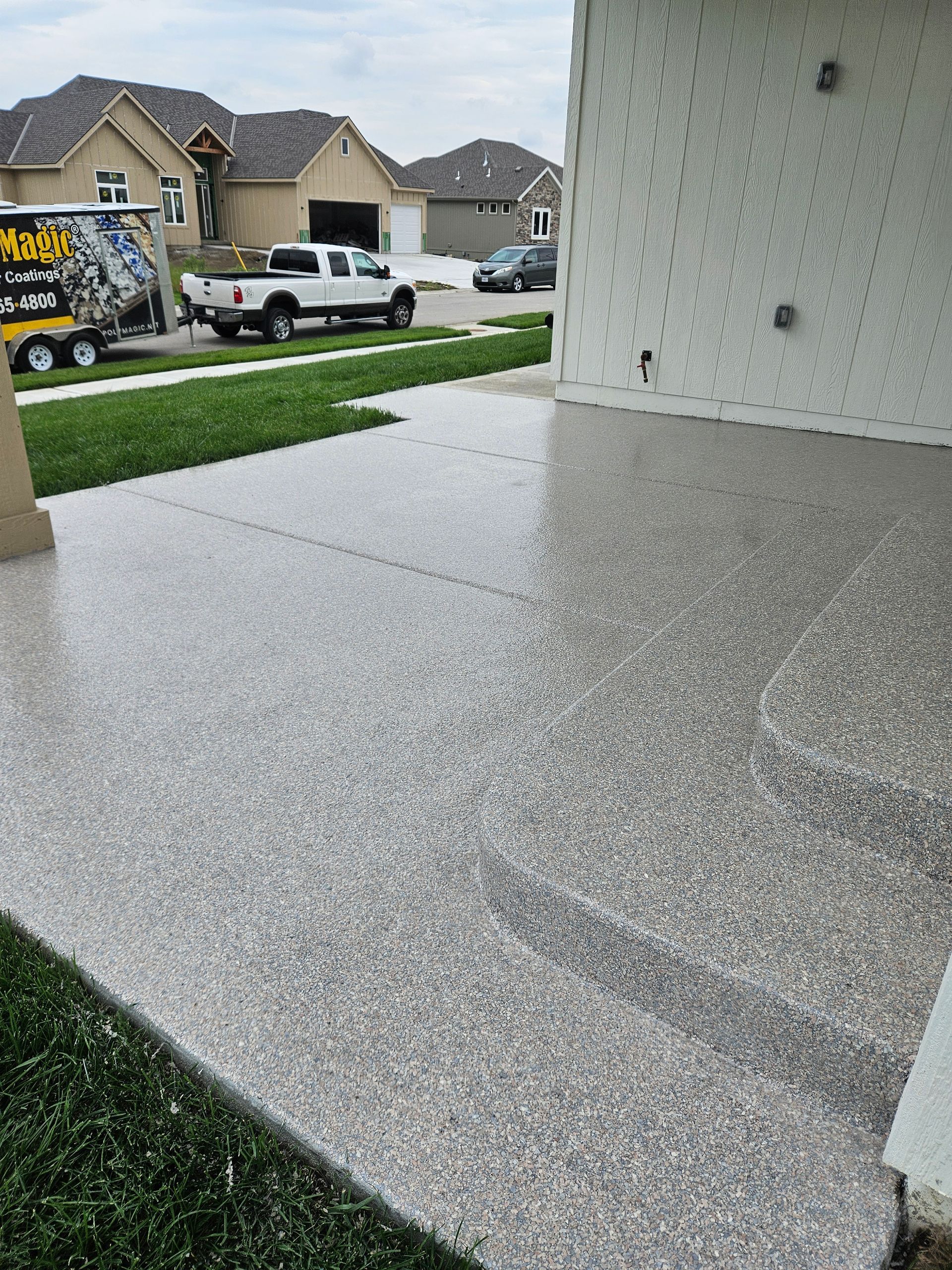
Boost your lake home's value with a durable garage floor coating. Discover how garage floor coatings enhance appearance, protection, and resale appeal.
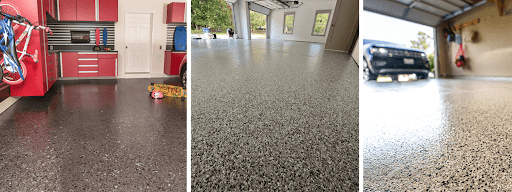
Discover 2025’s top floor coating trends for garages, basements, patios, and more. Explore durable, stylish, and eco-friendly options with expert tips.
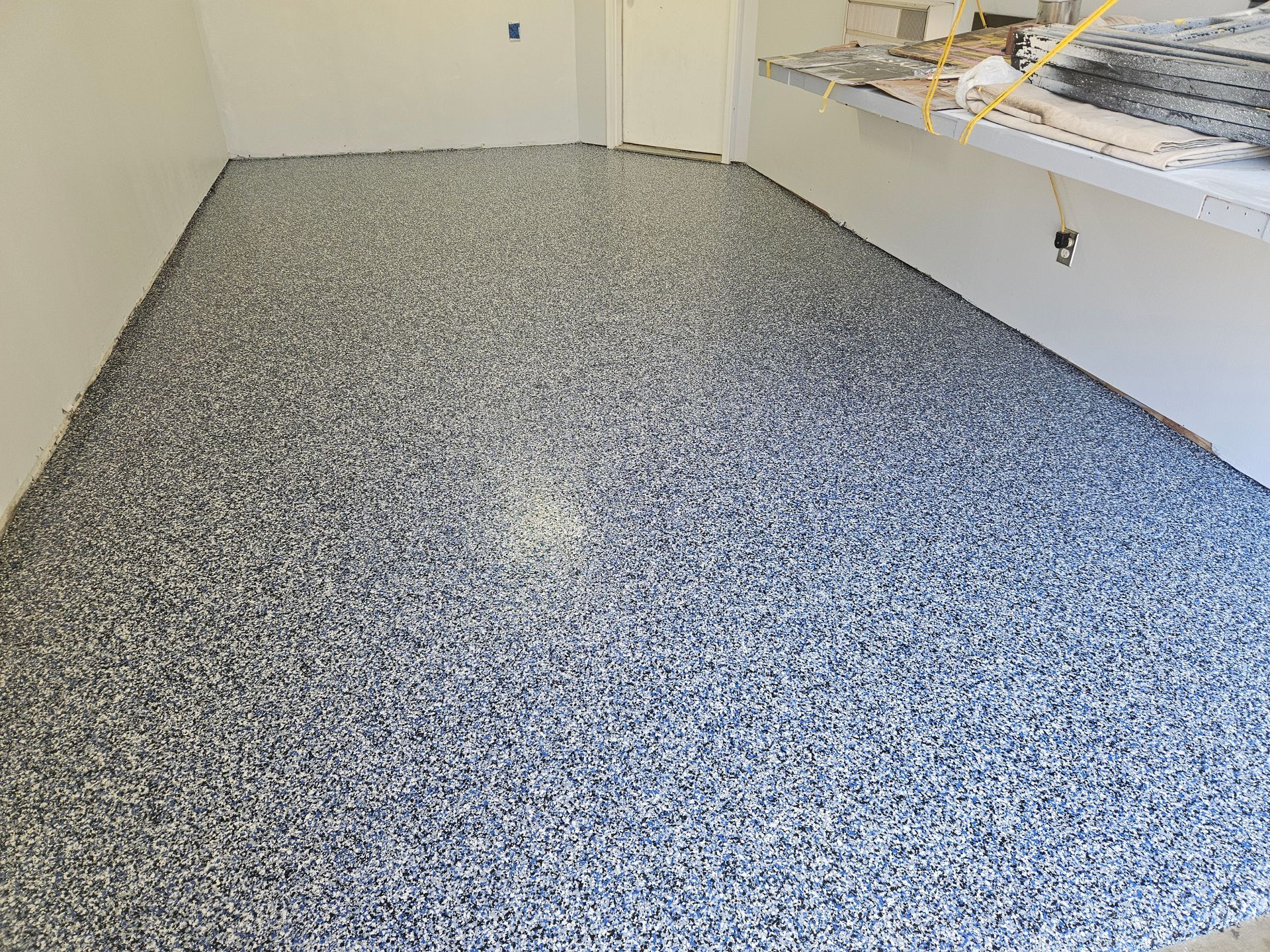
Learn how to upgrade your garage floor with durable coatings. Step-by-step guide, maintenance tips, and expert insights from Kansas City’s PolyMagic pros.